Maritime ·
Exploring Coastal Ecosystems: Biodiversity and Conservation
Coastal Horizons Unveiled
By Rebecca "Madam Chronicler" Ryan
Coastal Horizons Unveiled
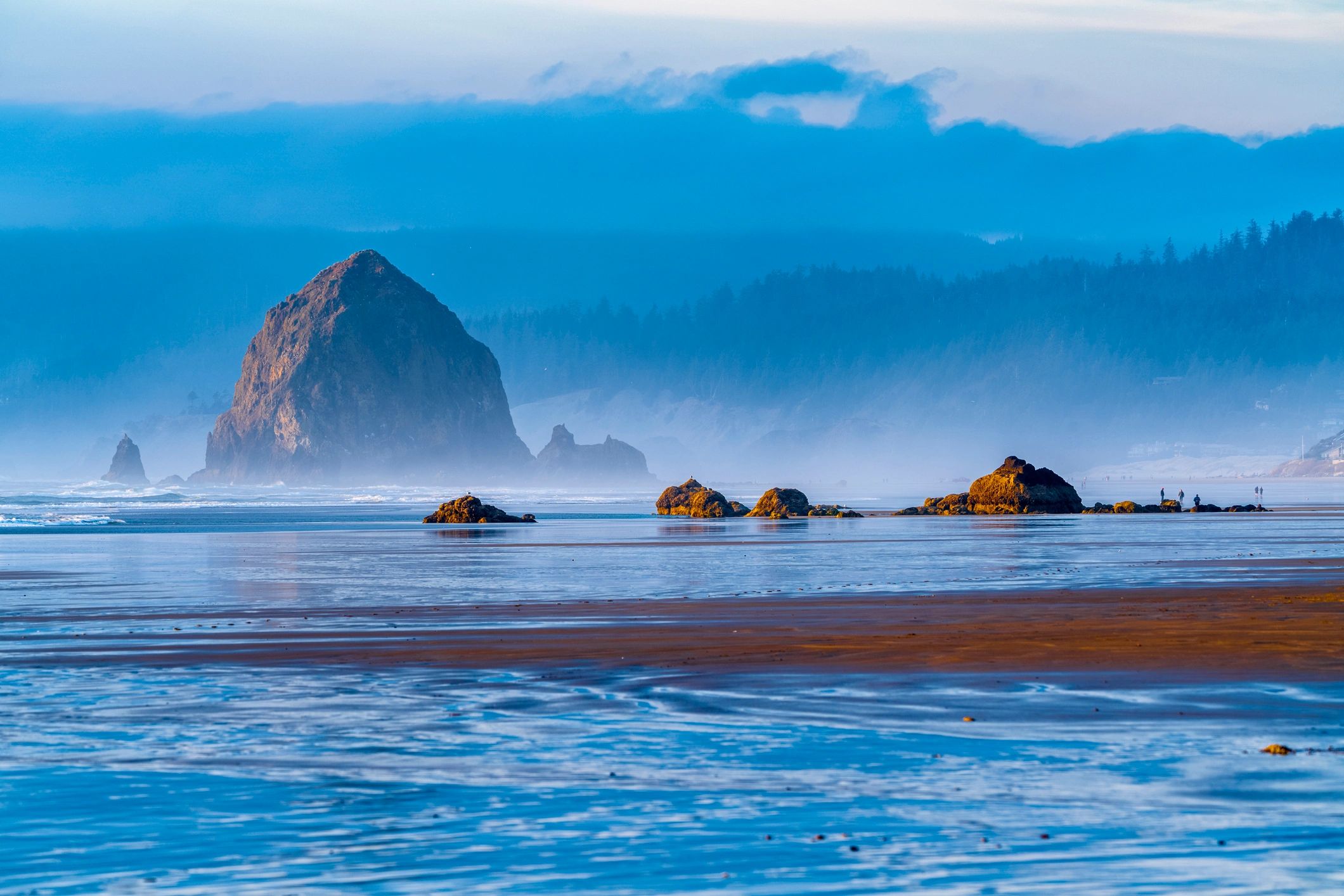
Coastal ecosystems are dynamic interfaces where land gracefully meets the sea, creating vibrant environments essential to our planet’s health. These regions act as natural buffers against storms, foster biodiversity, and support livelihoods through fisheries and ecotourism. In this introduction, you’ll explore how coastal zones function as shelters for myriad species—from resilient mangroves to elusive shorebirds—making them critical hotspots for conservation.
Understanding these ecosystems is key to addressing challenges like coastal erosion and habitat fragmentation. Throughout this guide, you will learn practical tips on sustainable management and restoration techniques, including:
- Recognizing the role of coastal habitats in climate regulation
- Implementing effective conservation strategies
- Navigating local challenges in urban coastal areas
By delving into the interplay of natural forces and human impact, this discussion underscores the urgency of preserving these irreplaceable landscapes. Whether you are a conservation enthusiast or a community leader in regions such as Florida or similar coastal zones, this guide aims to equip you with actionable insights to safeguard our natural heritage while nurturing biodiversity and resilience along the shoreline.
Nature’s Balancing Act: The Vital Role of Coastal Biodiversity
Coastal ecosystems offer a remarkable display of life where land and sea intertwine, creating dynamic communities that support a wealth of biodiversity. These areas play a fundamental role in maintaining ecological balance, serving as buffers against storms, filtering pollutants, and supporting vital fishery resources. The diversity of habitats—ranging from mangroves and salt marshes to sandy shores and rocky outcrops—ensures a continuous supply of ecosystem services that underpin both human and environmental health.
Key benefits of coastal biodiversity include:
- Natural water purification through efficient filtration and nutrient recycling
- Habitat complexity that enhances species resilience and connectivity
- Climate regulation by sequestering carbon and moderating temperature extremes
- Economic support for coastal communities through sustainable tourism and fisheries
Understanding these interconnected services is crucial for effective conservation efforts. Whether you are exploring coastal reserves in Florida or managing local environmental projects along other coastlines, embracing practical conservation practices, habitat restoration, and resource management can foster a resilient balance between human needs and nature’s enduring rhythms.
Confronting Coastal Conservation Challenges
Coastal regions face a series of environmental hurdles that demand immediate attention and innovative solutions. Climate change brings rising sea levels and increased storm activity, straining these delicate ecosystems. Pollution from industrial runoff and urban waste further degrades water quality, endangering marine species and local fisheries. Meanwhile, habitat destruction from coastal development disrupts breeding grounds and migration routes for countless species.
Key challenges include:
- Climate Variability: Shifts in temperature and weather patterns alter natural habitats and species interactions.
- Contaminant Load: Pollutants and debris accumulate in coastal waters, impacting both wildlife and human communities.
- Habitat Loss: Expansion of coastal infrastructure reduces essential natural buffers like wetlands and mangroves.
Local efforts in regions such as Florida emphasize sustainable practices and restoration projects. Community-driven initiatives, alongside robust policy measures, can mitigate these impacts. By adopting practical strategies—ranging from improved waste management to habitat restoration—stakeholders can collectively safeguard coastal biodiversity. This comprehensive approach not only protects nature but also enhances the resilience and economic stability of coastal communities.
Step-by-Step Guide to Coastal Conservation
Begin your coastal conservation journey by embracing small, manageable actions that collectively make a big impact. With vibrant coastal ecosystems at risk, both individuals and communities can adopt practical measures to protect biodiversity and promote sustainable practices.
- Conduct a Local Assessment:
- Identify sensitive coastal areas in your region, such as Florida’s scenic shores.
- Observe local wildlife habitats and note any signs of degradation.
- Organize Community Clean-Ups:
- Collaborate with neighbors to schedule regular clean-up events.
- Use reusable supplies and encourage proper waste disposal to prevent plastic pollution.
- Adopt Eco-friendly Practices:
- Replace single-use items with sustainable alternatives.
- Plant native vegetation to restore natural buffers and protect shorelines against erosion.
- Educate and Advocate:
- Share insights on responsible coastal stewardship via local workshops or social media groups.
- Support policies that safeguard coastal resources.
By following these steps, you empower your community and contribute to a collective effort in preserving these irreplaceable coastal ecosystems for future generations.
Frequently Asked Questions
What defines the uniqueness of coastal ecosystems?
Coastal ecosystems merge land and sea, creating diverse habitats that support unique species. Their dynamic environments foster intricate food webs and varied plant life adapted to both saltwater and terrestrial conditions.
How does biodiversity thrive in these areas?
The constant exchange of nutrients and water promotes nutrient-rich conditions. This natural abundance supports vibrant marine and bird life, while creating resilient ecological communities.
What are the primary threats facing these regions?
Challenges include habitat loss, pollution, and climate change. Such factors disrupt natural processes, alter breeding grounds, and threaten the delicate balance between terrestrial and marine life.
How can local communities enhance coastal protection?
Community-led initiatives, sustainable practices, and local conservation efforts are crucial. Engaging in habitat restoration projects and utilizing eco-friendly practices can make a real difference.
What practical steps can individuals take for coastal conservation?
Individuals can support local environmental programs, reduce waste, and educate others about sustainable living. Simple actions like proper recycling and conservation education go a long way in preserving these ecosystems.
Charting a Course for Conservation
The journey towards preserving coastal ecosystems is both vital and urgent for the well-being of future generations. By safeguarding these natural habitats, we not only protect an incredible diversity of plant and animal life but also ensure a sustainable resource for our communities. The intricate balance of coastal environments reveals nature’s resilience and offers practical lessons in conservation strategies that are applicable in regions from Florida’s pristine shores to smaller local coastal enclaves.
As you reflect on the discussion, consider these actionable next steps:
- Conduct local assessments to identify critical coastal zones.
- Collaborate with environmental experts to develop adaptive management plans.
- Promote community-based initiatives for continuous restoration and protection.
This conclusion reinforces the importance of continuous, informed action. Embracing responsible practices, investing in education, and staying committed to sustainable initiatives empower us to address challenges head-on. Every small effort contributes to a broader commitment to protecting coastal biodiversity for the future. Stay inspired, take decisive steps, and work collectively to ensure that our coasts remain vibrant sources of life and beauty for generations to come.
Originally published at the live site .