
Maritime ·
Sharks in Pop Culture: How These Ocean Predators Captured Our Ima
Sharks have roamed the seas for millions of years, but their place in our imaginations is just as deep as their roots in the ocean. From blockbuster movies and hit TV shows to viral memes and toys, sharks have become som...
By Rebecca "Madam Chronicler" Ryan
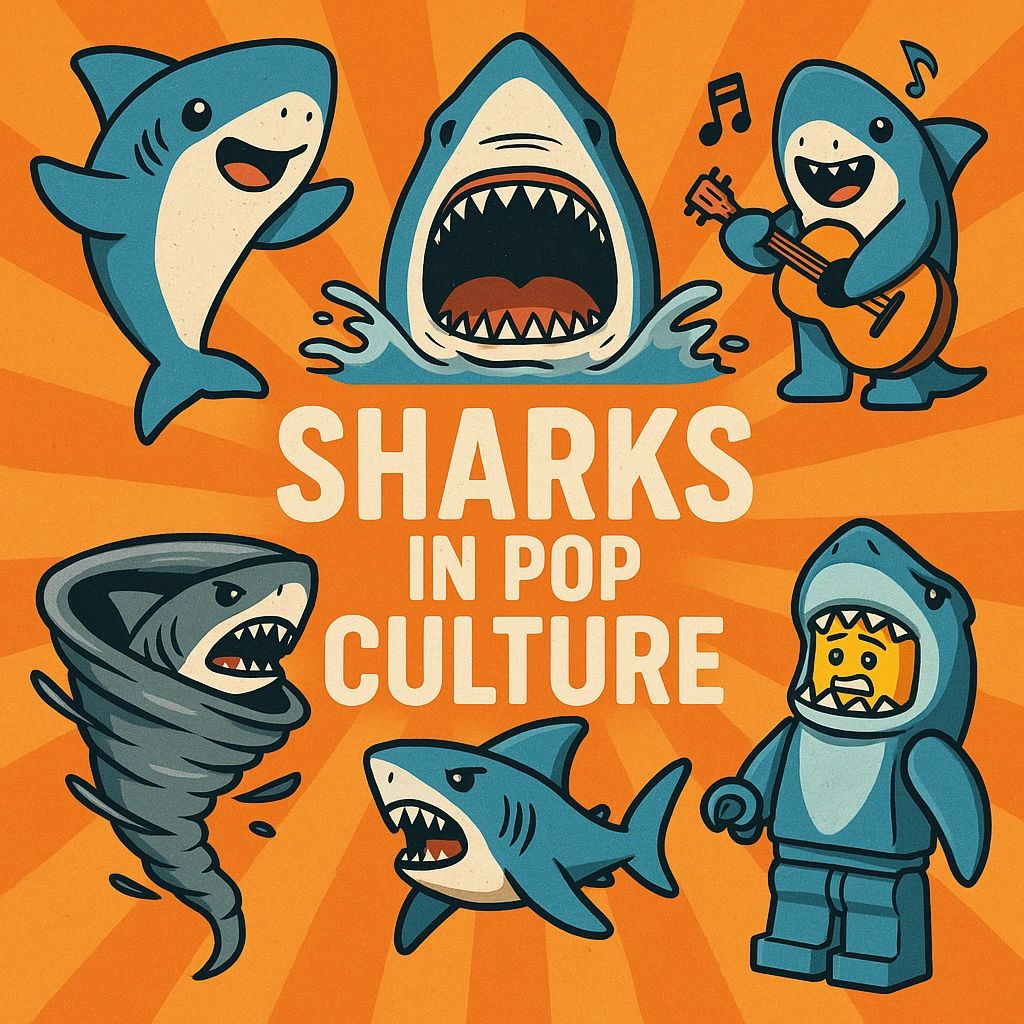
Sharks have roamed the seas for millions of years, but their place in our imaginations is just as deep as their roots in the ocean. From blockbuster movies and hit TV shows to viral memes and toys, sharks have become some of the most famous animals in the world. But why are we so fascinated by them? And how did sharks swim from the deep blue sea right into the heart of pop culture?
In this fun, deep dive, we’ll explore how sharks became pop culture icons. We’ll look at their starring roles in movies, their appearances on TV, and how they’ve shaped music, fashion, and even video games. We’ll also examine whether all this attention has helped or hurt sharks in the wild.
The Movie That Started It All:Jaws
It’s impossible to talk about sharks in pop culture without starting with Jaws. Released in 1975 and directed by Steven Spielberg, Jaws tells the story of a giant great white shark terrorizing a small beach town called Amity Island. The film was based on Peter Benchley’s 1974 novel of the same name.
Jaws wasn’t just a movie—it was a phenomenon. It became the first-ever summer blockbuster, breaking box office records and changing Hollywood forever. Its suspenseful scenes, dramatic music, and terrifying shark attacks had audiences gripping their seats.
But Jaws did more than entertain. It also changed how people saw sharks. Many viewers walked away terrified of going into the water. Scientists later noted that the movie led to a rise in shark hunting and contributed to negative myths about sharks being man-eating monsters.
Interestingly, Peter Benchley later became a shark conservationist, expressing regret over how his book and the film had demonized sharks. He spent much of his later life advocating for shark protection and educating the public on the importance of sharks in the ocean ecosystem (Neff & Hueter, 2013).
Sharks on TV: From Scary to Silly
Shark Week: The Biggest Shark Celebration
In 1988, the Discovery Channel launched Shark Week. What started as a week-long series of documentaries about sharks quickly became one of the most popular television events of the year. Shark Week combines science, adventure, and a touch of drama, drawing millions of viewers each summer.
While Shark Week is often criticized for exaggerating shark danger to boost ratings, it has also raised awareness about shark conservation and showcased scientists working to study and protect sharks (Sims, 2016). It’s helped shift the focus from fear to fascination.
Sharknado**: So Bad It’s Good
Then came Sharknado—a wildly ridiculous 2013 made-for-TV movie about a tornado filled with flying, man-eating sharks. It was so absurd that it became an instant cult classic, spawning five sequels and countless memes.
Sharknado didn’t take itself seriously. The idea of sharks raining down on cities was meant to be funny, not frightening. Still, it kept sharks in the pop culture spotlight and showed how flexible their image had become—from scary to silly.
Sharks in Music and Memes: Viral Sensations
Baby Shark: The Song That Took Over the World
Few shark-related pop culture moments can rival the success of Baby Shark. Originally a campfire song, it became a viral hit thanks to a video by Pinkfong in 2016. With its catchy tune and dance moves, Baby Shark became a favorite among kids—and adults couldn’t escape it either!
By 2020, Baby Shark Dance became the most-watched video on YouTube, surpassing even Despacito. It also spawned toys, clothing, books, and even a TV series. Its success proved that sharks aren’t just scary—they can also be adorable and fun (Kirk, 2020).
Left Shark: The Super Bowl’s Unexpected Star
Another shark made waves at the 2015 Super Bowl halftime show. During Katy Perry’s performance, two dancers dressed as sharks performed alongside her. One of them—dubbed “Left Shark”—stood out for its awkward, off-beat dance moves.
“Left Shark” became an overnight meme, symbolizing lovable clumsiness and becoming a pop culture icon. The moment showed that even in short appearances, sharks could capture the public’s imagination.
Sharks in Video Games: Playable Predators
Video games have also embraced sharks, letting players either face them or become them.
Hungry Shark Series
The Hungry Shark mobile games let players control a shark as it gobbles up everything in sight, from fish to people. The games are silly and over-the-top, but they let players experience what it’s like to be at the top of the food chain.
Maneater: A Shark’s Revenge Tale
Released in 2020, Maneater is an action-packed role-playing game where you play as a bull shark seeking revenge on the humans who killed your mother. The game lets players explore an open world, grow bigger by eating prey, and battle other predators—including humans.
Though Maneater is a fictional and exaggerated tale, it’s also a sharp satire about humanity’s destructive relationship with nature (Mulligan, 2020).
Sharks in Fashion and Toys: Wearing Your Shark Love
Sharks have also become trendy in fashion and merchandise.
Shark-Themed Clothes
Many clothing brands now offer shark-themed items, from t-shirts with cool shark graphics to swimsuits covered in shark patterns. These designs are especially popular during summer, when people head to the beach and think about the creatures swimming below.
Shark Toys and Collectibles
Toy companies have also cashed in on the shark craze. From plush toys to action figures, sharks come in all forms. LEGO has even released several shark-themed sets, including the popular LEGO City underwater series.
These playful portrayals make sharks more approachable, helping kids learn to appreciate them instead of fearing them.
Sharks in Literature: From Villains to Victims
Though Jaws may be the most famous shark book, many other novels and nonfiction works explore sharks in different lights.
Fiction: Sharks as Thrilling Villains
Many adventure and thriller books feature sharks as terrifying foes. Stories of divers trapped in shark-infested waters or beachgoers facing attacks have long been popular among readers seeking excitement.
Nonfiction: The Truth About Sharks
However, more books now aim to set the record straight about sharks. Titles like Demon Fish: Travels Through the Hidden World of Sharks by Juliet Eilperin (2011) explore both the cultural fascination and the real-world challenges sharks face. These books highlight sharks’ importance in marine ecosystems and the threats they face from overfishing and habitat loss.
Sharks in Conservation Campaigns: From Villains to Victims
One of the biggest changes in shark pop culture is how conservation groups now use sharks to spread messages about ocean health.
Celebrity Advocacy
Many celebrities, including Leonardo DiCaprio and Chris Hemsworth, have supported shark conservation efforts. By speaking out, they help draw attention to issues like shark finning, bycatch, and habitat destruction.
Shark Conservation Organizations
Groups like Shark Trust, Oceana, and WildAid use social media, documentaries, and art to raise awareness about sharks. They show that sharks aren’t just scary—they’re essential. Without sharks, ocean ecosystems can collapse, affecting everything from coral reefs to fish populations (Ferretti et al., 2010).
Why Are Sharks So Popular?
There are a few reasons why sharks continue to dominate pop culture:
- Mystery and Power: Sharks are ancient, powerful creatures that we don’t fully understand. That mystery makes them endlessly fascinating.
- Fear and Thrill: Sharks are the perfect mix of fear and thrill. They symbolize danger, but in a way that feels exciting and far-off for most people.
- Versatility: From terrifying monsters to goofy cartoon characters, sharks can be anything we want them to be.
Are Sharks Helped or Hurt by Pop Culture Fame?
While pop culture has made sharks famous, the effects haven’t always been positive.
The Bad Side
Movies like Jaws have caused fear of sharks to grow, leading to harmful practices like shark culling. In some cases, this fear has led people to support killing sharks to “make beaches safer,” even though the risk of a shark attack is incredibly low (Neff & Hueter, 2013).
The Good Side
On the flip side, shows like Shark Week and conservation campaigns have helped people see sharks as important parts of the ocean ecosystem. More people now understand that sharks aren’t villains—they’re vital.
Conclusion: Our Ongoing Shark Obsession
Sharks have swum through every corner of pop culture—on the big screen, on TV, in songs, memes, and even in our closets and video game consoles. They’ve played heroes, villains, and everything in between.
While sharks started as scary movie monsters, they’ve since become symbols of adventure, silliness, and even environmental responsibility. As we continue to tell stories about sharks, it’s up to all of us to remember the truth: Sharks aren’t monsters. They’re ancient, awe-inspiring creatures that play a crucial role in keeping our oceans healthy.
So, the next time you hum “Baby Shark,” watch Shark Week, or build a LEGO shark, take a moment to think about the real animals behind the pop culture craze—and how we can help protect them.
Bibliography (APA Format)
Eilperin, J. (2011). Demon fish: Travels through the hidden world of sharks. Pantheon.
Ferretti, F., Worm, B., Britten, G. L., Heithaus, M. R., & Lotze, H. K. (2010). Patterns and ecosystem consequences of shark declines in the ocean. Ecology Letters, 13(8), 1055–1071. https://doi.org/10.1111/j.1461-0248.2010.01489.x
Kirk, C. (2020). How Baby Shark conquered the world. Slate. Retrieved from https://slate.com/culture/2020/01/baby-shark-most-watched-video-explained.html
Mulligan, C. (2020). Maneater review: A shark RPG that’s too shallow to satisfy. The Verge. Retrieved from https://www.theverge.com/2020/5/26/21270598/maneater-review-shark-rpg-open-world
Neff, C., & Hueter, R. (2013). Science, policy, and the public discourse of shark “attack”: A proposal for reclassifying human–shark interactions. Journal of Environmental Studies and Sciences, 3(1), 65–73. https://doi.org/10.1007/s13412-013-0107-2
Sims, D. W. (2016). Shark Week: Science and sensationalism in the popular culture of sharks. Marine Policy, 75, 1-3. https://doi.org/10.1016/j.marpol.2016.10.004
Originally published at the live site .