
Maritime ·
🌴 What Fish Are Native to Florida? 🐠
Florida is famous for its sunny beaches, warm weather, and beautiful waters. But one of the coolest things about Florida is what lives in those waters — fish! The Sunshine State is home to more than 1,000 species of nati...
By Rebecca "Madam Chronicler" Ryan
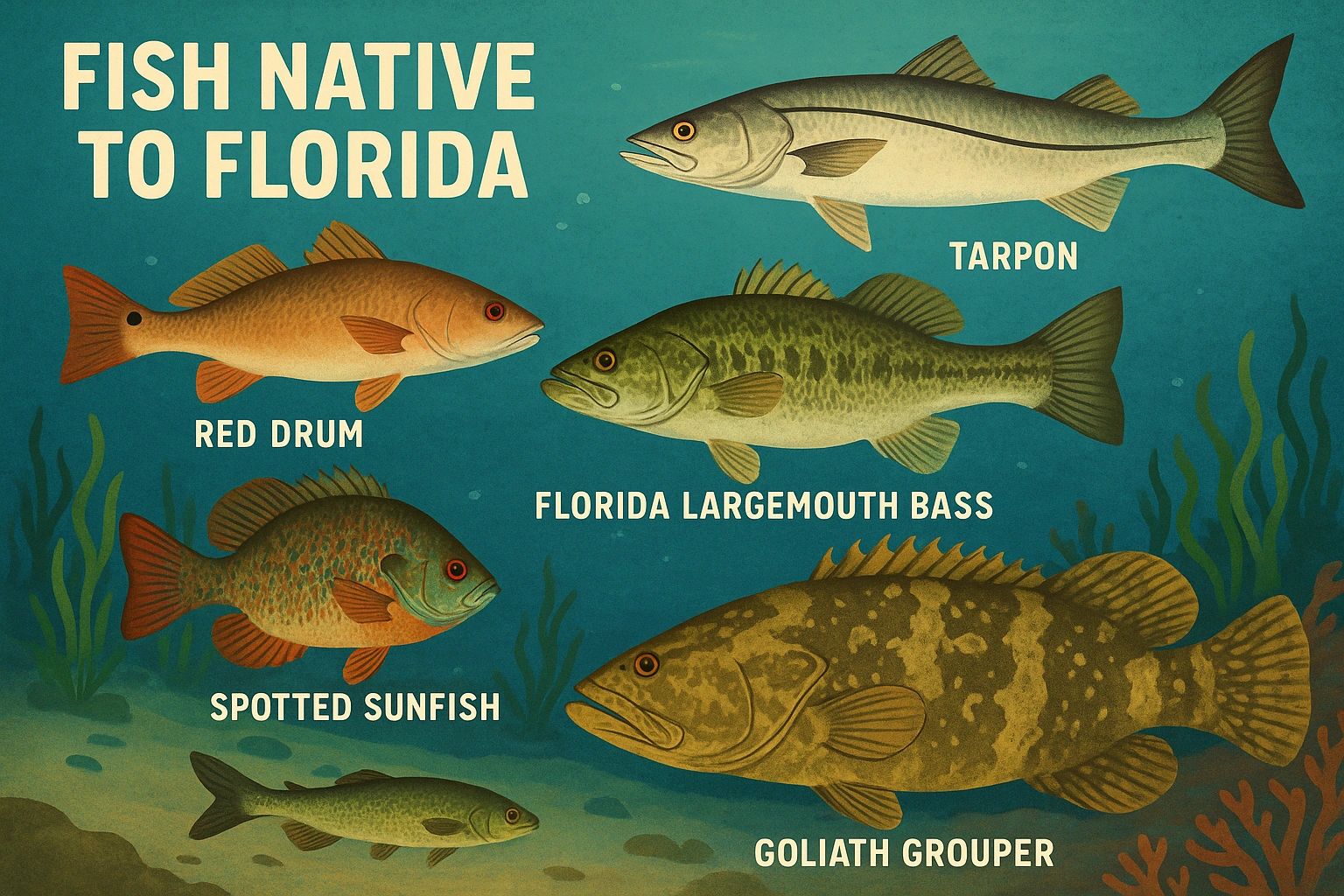
Florida is famous for its sunny beaches, warm weather, and beautiful waters. But one of the coolest things about Florida is what lives in those waters — fish! The Sunshine State is home to more than 1,000 species of native fish. From tiny minnows in freshwater springs to massive groupers in the Gulf of Mexico, Florida’s fish are as diverse as its landscapes.
In this blog post, we’re going to dive into the watery world of Florida’s native fish. You’ll learn about the most iconic species, where they live, what they eat, and why they matter. Whether you’re a budding marine biologist or just love casting a line, this guide will leave you hooked!
🗺️ Why So Many Fish in Florida?
Florida’s unique shape and location play a huge part in its fishy fame. It’s a peninsula, meaning it’s surrounded by water on three sides — the Atlantic Ocean to the east and the Gulf of Mexico to the west. Plus, the state is full of freshwater rivers, lakes, springs, and swamps. That means there are tons of different environments where fish can live.
Florida also has a warm, tropical-to-subtropical climate. Many species of fish love warm water, which helps them thrive all year round. Some fish even travel to Florida just to breed!
🐟 Freshwater Fish of Florida
Let’s start with fish that live in freshwater — lakes, rivers, ponds, and swamps. These habitats can be found all over Florida, from the Everglades in the south to the Suwannee River in the north.
1. Florida Largemouth Bass (Micropterus salmoides floridanus)
This is the most famous freshwater fish in Florida. It’s a powerful predator and a favorite of sport fishers.
- Fun Fact: Florida bass grow larger than regular largemouth bass!
- Where to Find: Lakes, rivers, canals
- What They Eat: Smaller fish, frogs, and even small birds!
2. Bluegill (Lepomis macrochirus)
Bluegill are colorful and common, often caught by kids on family fishing trips.
- Fun Fact: Male bluegills build and guard nests in the sand.
- Where to Find: Ponds and lakes with weedy areas
- What They Eat: Insects, zooplankton, and worms
3. Spotted Sunfish (Lepomis punctatus)
Also known as “stumpknockers,” these little guys love hiding in woody debris.
- Fun Fact: They’re small, but they’re tough!
- Where to Find: Swamps, streams, and rivers
- What They Eat: Insects, crustaceans, and tiny fish
4. Suwannee Bass (Micropterus notius)
This bass is special because it’s found only in Florida and a small part of Georgia.
- Fun Fact: It’s named after the Suwannee River.
- Where to Find: Suwannee and Santa Fe Rivers
- What They Eat: Crayfish, insects, and small fish
5. Bowfin (Amia calva)
Bowfin look like a cross between a fish and a snake. They’re ancient fish that have been around since the dinosaurs!
- Fun Fact: Bowfin can breathe air and survive in low-oxygen waters.
- Where to Find: Swamps and backwaters
- What They Eat: Fish, frogs, and insects
🌊 Saltwater Fish of Florida
Now let’s head to the ocean. Florida has two massive coastlines: the Gulf Coast and the Atlantic Coast. Both are home to thousands of saltwater fish, from tiny baitfish to top predators.
1. Snook (Centropomus undecimalis)
Snook are one of the most popular game fish in Florida. They’re sleek, silver, and powerful.
- Fun Fact: They can live in both fresh and saltwater!
- Where to Find: Mangroves, inlets, and coastal rivers
- What They Eat: Shrimp, crabs, and small fish
2. Tarpon (Megalops atlanticus)
Tarpon are known as the “silver king” because of their shiny scales and massive size.
- Fun Fact: They can grow over 7 feet long!
- Where to Find: Warm coastal waters, bays, and estuaries
- What They Eat: Fish and crustaceans
3. Red Drum (Redfish) (Sciaenops ocellatus)
These copper-colored fish are famous for the black dot near their tail.
- Fun Fact: They can live in both saltwater and brackish water (a mix of fresh and saltwater).
- Where to Find: Shallow flats and estuaries
- What They Eat: Crabs, shrimp, and small fish
4. Goliath Grouper (Epinephelus itajara)
The largest grouper in the Atlantic, this giant can weigh over 800 pounds!
- Fun Fact: They were once overfished but are now protected.
- Where to Find: Reefs, wrecks, and bridges
- What They Eat: Lobsters, fish, and even sharks!
5. Sheepshead (Archosargus probatocephalus)
These fish have weird human-like teeth — perfect for crunching crabs and barnacles.
- Fun Fact: They’re sometimes called “convict fish” because of their black and white stripes.
- Where to Find: Around docks and piers
- What They Eat: Crabs, barnacles, and shellfish
🧂 What About Brackish Water?
Brackish water is a mix of salt and fresh water, like what you find in estuaries. Many Florida fish can live in both fresh and saltwater, but some do especially well in brackish places.
1. Common Snook
As we mentioned, snook move freely between fresh and saltwater.
2. Mullet (Mugil cephalus)
Mullet are schooling fish that leap out of the water in giant splashes.
- Fun Fact: People have fished mullet in Florida for thousands of years.
- Where to Find: Estuaries and coastal lagoons
- What They Eat: Algae and detritus
3. Killifish (Fundulus spp.)
Tiny but tough, killifish are often used in research because they can survive extreme conditions.
- Fun Fact: They lay their eggs on land during low tide!
- Where to Find: Marshes and tidal pools
- What They Eat: Insects and larvae
🔄 Why Native Fish Matter
Native fish are the heart of Florida’s ecosystems. Here’s why they’re so important:
- Food Webs: Native fish feed on insects, plankton, and smaller fish, while also serving as prey for birds, alligators, and larger fish.
- Biodiversity: A wide variety of fish helps keep ecosystems healthy and stable.
- Culture & Recreation: Fishing is a way of life in Florida, bringing joy, food, and money to communities.
🚨 Threats to Florida’s Native Fish
Sadly, many native fish face serious threats:
1. Habitat Loss
Wetlands and coral reefs are disappearing because of development and pollution. Fish lose places to live, breed, and feed.
2. Invasive Species
Non-native fish like lionfish, armored catfish, and walking catfish outcompete native species for food and space.
3. Climate Change
Warmer waters, stronger storms, and rising sea levels all impact fish survival and migration.
4. Overfishing
Taking too many fish too fast means some populations can’t recover.
🛟 How You Can Help
Don’t worry — you don’t need to be a marine biologist to make a difference! Here’s how anyone can help native fish:
- Catch and release responsibly
- Use barbless hooks to protect fish mouths
- Don’t dump aquarium fish into the wild
- Support clean water laws
- Learn and share information about native wildlife
🎣 Top Places to See Native Fish in Florida
If you want to spot these amazing fish up close, check out these awesome spots:
- Silver Springs State Park – crystal clear waters with bowfin and gar
- Everglades National Park – home to sunfish, snook, and tarpon
- Tampa Bay Estuary – a perfect place to see redfish and mullet
- Florida Keys National Marine Sanctuary – reefs full of snappers and groupers
- Florida Aquarium in Tampa – great for learning about native and endangered species
🧠 Final Thoughts: Florida’s Fish Are a Treasure
Florida’s native fish are more than just something to catch — they’re living treasures that help keep our waters wild and healthy. From tiny minnows to mighty tarpon, every fish plays a part in the amazing underwater world that makes Florida special.
So whether you’re casting a line, snorkeling a reef, or just curious about what lives beneath the waves, take a moment to appreciate the finned friends that call Florida home. Protecting them means protecting the future of Florida’s waterways, too.
Let’s keep our native fish swimming strong! 🐟💪
📚 Bibliography
- Florida Fish and Wildlife Conservation Commission. (2024). Freshwater and Saltwater Fish Identification. Retrieved from https://myfwc.com
- Robins, C. R., & Ray, G. C. (1986). A Field Guide to Atlantic Coast Fishes of North America. Houghton Mifflin Harcourt.
- Page, L. M., & Burr, B. M. (2011). Peterson Field Guide to Freshwater Fishes of North America North of Mexico. Houghton Mifflin Harcourt.
- Gilbert, C. R. (1992). Rare and Endangered Biota of Florida: Volume II. Fishes. University Press of Florida.
- Helfman, G., Collette, B., & Facey, D. (2009). The Diversity of Fishes: Biology, Evolution, and Ecology. Wiley-Blackwell.
- National Oceanic and Atmospheric Administration. (2023). FishWatch: U.S. Seafood Facts. Retrieved from https://www.fishwatch.gov
Originally published at the live site .