
Stories ·
What Snake Is Infesting Florida?
When most people think about Florida, they picture sunny beaches, theme parks, and palm trees. But did you know that Florida is also home to one of the worst snake invasions in the United States? That’s right! One partic...
By Rebecca "Madam Chronicler" Ryan
When most people think about Florida, they picture sunny beaches, theme parks, and palm trees. But did you know that Florida is also home to one of the worst snake invasions in the United States? That’s right! One particular snake has taken over parts of the state and is causing serious problems for native wildlife, ecosystems, and even people.
In this post, we’ll uncover the truth behind the snake that’s infesting Florida. We’ll explore what kind of snake it is, how it got there, what damage it’s doing, and what people are trying to do to stop it. Let’s slither into the story!
The Snake Causing All the Trouble: The Burmese Python
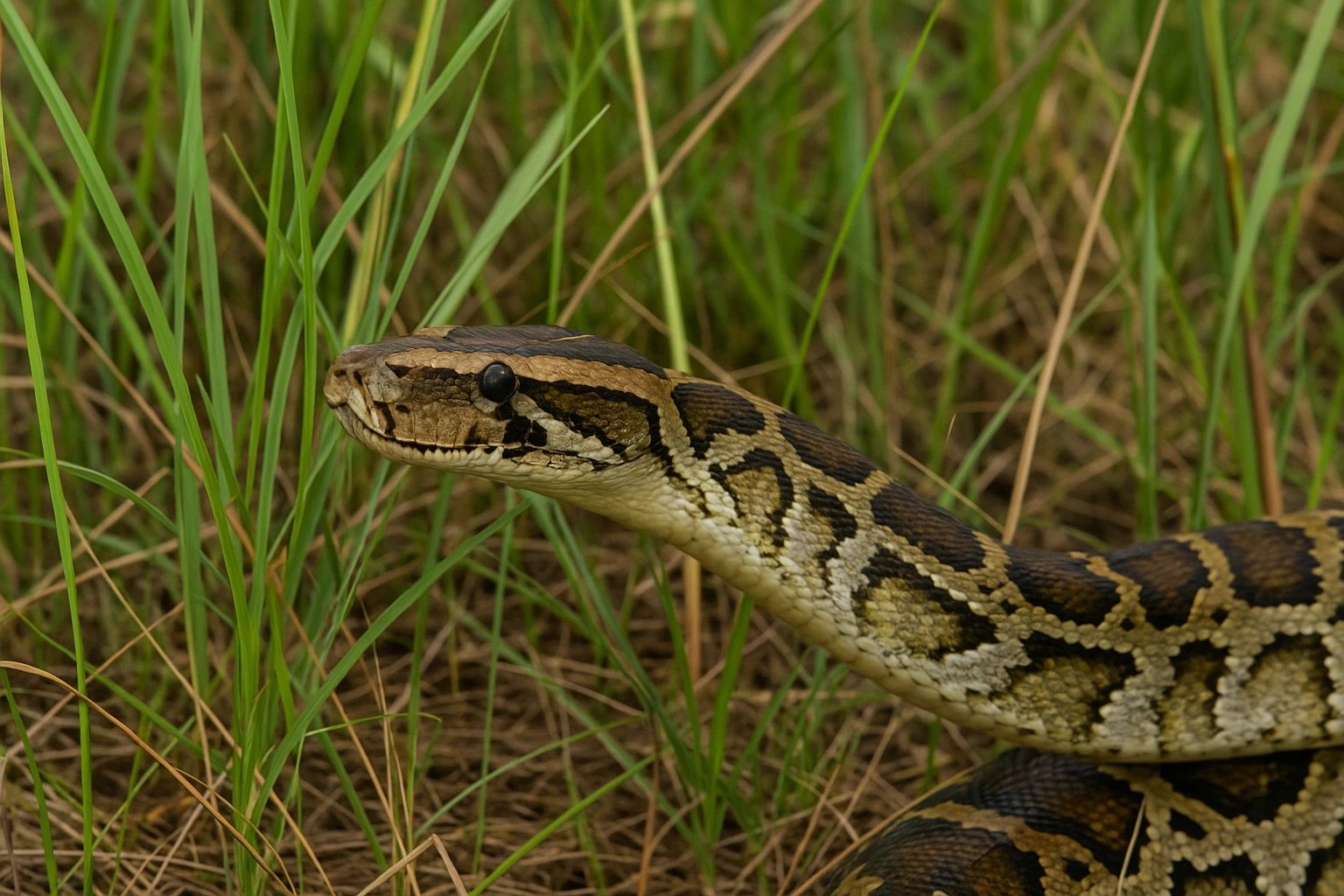
The snake infesting Florida is the Burmese python (Python bivittatus). It is not a native snake to the United States. Burmese pythons come from Southeast Asia, where they live in jungles and swamps. So how did they end up in Florida?
Where Did Burmese Pythons Come From?
Back in the 1980s and 1990s, many people in the U.S. started keeping exotic animals as pets. Burmese pythons, which can grow very large and look cool, became a popular pet snake. But these snakes can get huge—we’re talking over 15 feet long and weighing over 200 pounds!
When these pythons got too big for people to handle, some owners let them go into the wild. This happened especially in southern Florida, around the Everglades. To make matters worse, a big hurricane in 1992 called Hurricane Andrew destroyed a reptile breeding facility, and many pythons escaped into the wild. Since then, they’ve been reproducing and spreading across South Florida.
What Do Burmese Pythons Look Like?
Burmese pythons are some of the largest snakes in the world. Here’s what makes them stand out:
- Color: Tan with dark brown blotches shaped like puzzle pieces or giraffe spots.
- Size: They can grow up to 23 feet, but most in Florida are between 10 and 16 feet.
- Weight: Full-grown adults can weigh up to 200 pounds.
- Non-venomous: These snakes don’t use venom to kill. Instead, they are constrictors, which means they wrap around their prey and squeeze until it stops breathing.
Even though they aren’t venomous, that doesn’t mean they’re harmless.
Why Are They a Problem in Florida?
Burmese pythons are considered an invasive species in Florida. An invasive species is a plant or animal that doesn’t belong in an area but starts to take over and cause damage.
Here’s why Burmese pythons are such a big problem:
1. They Eat Everything
Pythons in the Everglades have been found with all sorts of animals in their stomachs—birds, rabbits, raccoons, possums, deer, and even alligators! One famous photo shows a python that exploded after trying to swallow an alligator. Yikes!
Because these snakes eat so many different animals, they’re wiping out native species, especially small mammals. Scientists have found that mammal populations in parts of the Everglades have dropped by more than 90% where pythons are present.
2. They Have No Natural Predators
In Florida, adult Burmese pythons have no natural predators. Nothing really eats them once they grow big. That means they can keep eating and breeding without much risk. In their native range, predators like tigers or large crocodiles might eat them—but those animals don’t live in Florida.
3. They Reproduce Rapidly
A single female python can lay up to 100 eggs at a time! That means the python population can grow very fast. With so many eggs hatching each year, it’s hard for wildlife officials to keep up.
How Far Have They Spread?
Burmese pythons are mostly found in South Florida, especially in the Everglades National Park. However, they have also been spotted as far north as Orlando and as far west as Naples.
They love warm, wet areas like swamps, marshes, and forests—places where there are lots of animals to eat and water to hide in. That makes Florida the perfect environment for them.
Scientists and wildlife officials are worried that these snakes could continue spreading if the climate warms or if winters stay mild. That’s why stopping the infestation now is so important.
What Is Being Done About the Python Invasion?
Dealing with an invasive species as big and sneaky as the Burmese python isn’t easy. But Florida has tried several things to control the problem:
1. Python Hunts and Bounties
Every year, Florida hosts events like the Florida Python Challenge, where people can compete to catch and remove the most or biggest pythons. Some participants win cash prizes. Trained hunters also work year-round to capture and remove snakes.
There’s also a bounty program where hunters get paid for each python they catch.
2. Tracking Technology
Scientists have begun putting radio trackers on male pythons to follow them during mating season. These “scout snakes” lead hunters to nests of female pythons and eggs, which can then be destroyed before hatching.
3. Python-Sniffing Dogs
Believe it or not, some dogs are trained to sniff out Burmese pythons! These dogs help locate snakes hidden in thick vegetation, where humans might miss them.
4. Public Awareness and Pet Regulations
Florida has made it illegal to release exotic pets into the wild. They also educate people about the dangers of keeping big snakes like pythons. Owners who can’t care for their pets anymore can surrender them without punishment during “Pet Amnesty” events.
What Animals Have Been Affected?
The damage caused by Burmese pythons is huge. Let’s take a look at some of the native animals that have been hit hard:
- Rabbits and Marsh Rabbits: Nearly wiped out in areas with pythons.
- Raccoons and Opossums: Populations have dropped drastically.
- Bobcats: Numbers are falling because they lose prey and may get eaten themselves.
- Wading Birds: Pythons raid nests and eat eggs or chicks.
- Deer: Some large snakes have eaten full-sized white-tailed deer!
This isn’t just bad news for animals—it’s bad for the whole ecosystem. When certain animals disappear, it affects plants, water quality, and the balance of nature in that area.
Are Pythons Dangerous to Humans?
Burmese pythons usually try to avoid humans. They aren’t aggressive unless they feel threatened, and bites are rare. But there have been a few serious incidents:
- In 2009, a pet python escaped its cage and killed a toddler in Florida.
- In the wild, some snakes have acted defensively toward people who got too close.
Though attacks on humans are rare, a large snake can still pose a threat—especially if it’s cornered or if someone tries to handle it without proper training.
Can the Problem Be Solved?
Many experts agree that eradicating (completely removing) all the Burmese pythons from Florida is probably impossible. There are too many, and they’re very good at hiding. But that doesn’t mean all hope is lost!
The goal now is to control the population and protect native wildlife. That means:
- Finding and removing pythons whenever possible.
- Tracking their movements.
- Protecting habitats and species at risk.
- Stopping more exotic animals from being released.
It’s a tough challenge, but with science, teamwork, and public support, progress can be made.
Fun Facts About Burmese Pythons
Let’s end on a fun note. Here are some cool (and kind of creepy!) facts about these giant snakes:
- Burmese pythons can go months without eating after a big meal.
- They can open their jaws really wide thanks to stretchy ligaments.
- They can swim very well and even cross rivers and lakes.
- They can climb trees when they’re younger and lighter.
- Their sense of smell is strong, and they use their tongue to “taste” the air!
Even though they’re causing problems in Florida, Burmese pythons are fascinating animals. In their native home in Asia, they’re an important part of the ecosystem. It’s not their fault they ended up in Florida—it’s people’s actions that brought them here. Now it’s up to us to fix the mess.
Conclusion
So, what snake is infesting Florida? The answer is clear: The Burmese python. This massive, non-native snake has taken over parts of South Florida, especially the Everglades, and has become one of the most dangerous invasive species in the state.
They’re wiping out local animals, disrupting the ecosystem, and proving hard to control. But thanks to hunters, scientists, and the community, efforts are being made every day to stop them.
Learning about invasive species like the Burmese python is important. It teaches us to be careful about how we treat nature and reminds us that even small choices—like not releasing pets into the wild—can make a big difference.
Bibliography
- Dorcas, M. E., Willson, J. D., Reed, R. N., Snow, R. W., Rochford, M. R., Miller, M. A., … & Hart, K. M. (2012). Severe mammal declines coincide with proliferation of invasive Burmese pythons in Everglades National Park. Proceedings of the National Academy of Sciences, 109(7), 2418-2422. https://doi.org/10.1073/pnas.1115226109
- U.S. Geological Survey. (2022). Burmese Pythons in Florida. Retrieved from https://www.usgs.gov
- Florida Fish and Wildlife Conservation Commission. (2024). Burmese Python Management. Retrieved from https://myfwc.com
- National Park Service. (2023). Invasive Burmese Python. Retrieved from https://www.nps.gov
- Reed, R. N., & Rodda, G. H. (2009). Giant constrictors: biological and management profiles and an establishment risk assessment for nine large species of pythons, anacondas, and the boa constrictor. U.S. Geological Survey Open-File Report 2009–1202.
Originally published at the live site .