
Stories ·
What Wading Birds Tell Scientists About Water Quality
Wetlands do not speak, but they are not silent.
By Rebecca "Madam Chronicler" Ryan
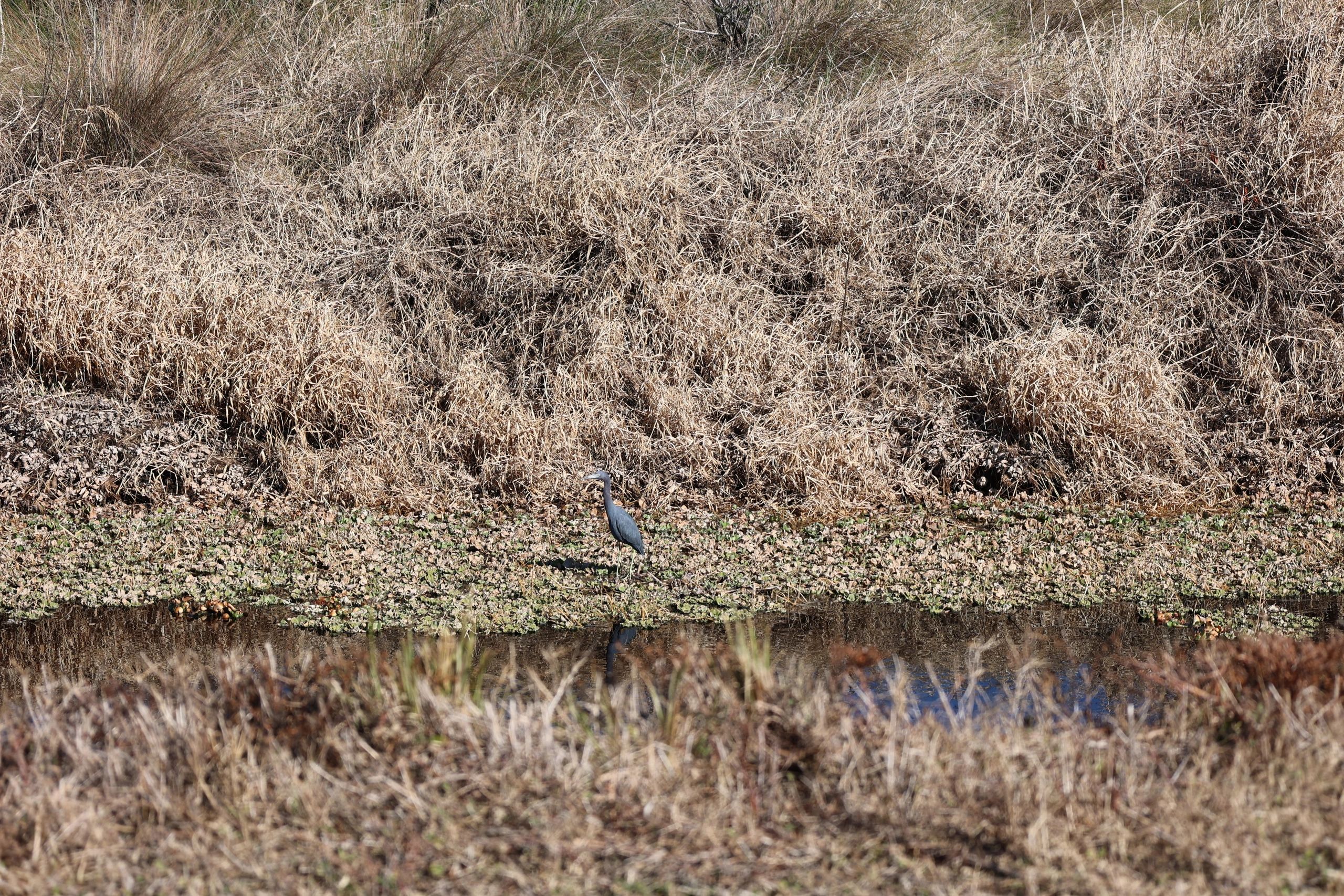
Wetlands do not speak, but they are not silent.
Their condition is evident in water depth, plant growth, and the movement of the animals that depend on them. Among the most important of these animals are wading birds. Herons, egrets, ibises, and storks spend their lives traversing the boundary between land and water, feeding on fish and invertebrates that are central to wetland food webs.
For decades, scientists have closely observed these birds, not because they are easy to study, but because they are honest. Wading birds react quickly to environmental changes and cannot mask the effects of poor water quality or ecosystem stress. Consequently, when wetlands decline, these birds are often the first to show it.
By monitoring where wading birds feed, nest, and disappear, scientists gain valuable insights into the health of aquatic ecosystems.
Why Wading Birds Make Ideal Indicators
An indicator species is one whose condition reflects the state of its environment. Wading birds are especially useful indicators because they occupy a high position in the food web and depend on numerous, correctly functioning ecosystem processes.
To survive and reproduce, wading birds need clean water, healthy fish populations, stable vegetation, and predictable water timing. Disruptions in any of these areas negatively impact their ability to feed and raise young, making their behavior and breeding success directly linked to ecosystem health.
Unlike fish or plants, wading birds are highly visible, making it easier to detect and track changes in their numbers or nesting behavior over time. This allows scientists to identify trends that might otherwise go unnoticed (Frederick et al., 2009).
The Connection Between Water Quality and Food
Water quality is the foundation of any wetland, dictating plant growth, insect survival, and fish population development. Wading birds directly rely on this interconnected web of life.
When water quality is high, wetlands support diverse fish and invertebrate communities. These animals concentrate in shallow water during seasonal drying, creating ideal feeding conditions for birds. Conversely, when water quality declines, prey becomes scarce, unhealthy, or inaccessible.
Research indicates that wading birds in polluted or nutrient-imbalanced wetlands exhibit reduced foraging success. Consequently, adult birds spend more time hunting, potentially leading to insufficient food for their chicks. This connection highlights feeding behavior as a key indicator of water quality issues (Kushlan, 1976).
Reading Water Timing Through Bird Behavior
In healthy wetlands, water follows a predictable seasonal rhythm. Flooding spreads nutrients and supports plant growth, and gradual drying later concentrates fish and invertebrates. Wading birds have evolved to match their breeding cycles to this pattern.
When water timing is disrupted, birds react swiftly. Rapid water drainage leads to the disappearance of prey before chicks can be fed, while prolonged deep water makes prey inaccessible. Consequently, birds may abandon nests or forgo breeding altogether.
Long-term research in the Florida Everglades demonstrates that wading bird nesting success closely mirrors water timing. Even minor hydrological changes can result in significant breeding activity declines, establishing these birds as effective indicators of water management issues (Frederick & Ogden, 2001).
Contaminants Move Up the Food Web
Wading birds also reveal the presence of contaminants that are difficult to detect through water testing alone. As top predators, they accumulate chemicals from the animals they eat. Over time, heavy metals, pesticides, and industrial pollutants can build up in their tissues.
Scientists analyze feathers, blood, and eggs to measure contaminant levels. These studies have linked chemical exposure to reduced hatching success, deformities, altered behavior, and increased chick mortality. In some instances, these biological effects were detected before contamination was confirmed in water samples (Frederick et al., 2009).
As such, wading birds function as biological record keepers, storing evidence of water quality issues within their bodies.
Nesting Success as a Measure of Ecosystem Health
Breeding is one of the most demanding periods in a wading bird’s life. Adults must find safe nesting sites, defend them, and deliver constant food to fast-growing chicks. This makes nesting success a powerful indicator of ecosystem condition.
Healthy wetlands support large, stable nesting colonies, known as rookeries. When water quality declines or prey availability drops, these colonies shrink or disappear. Nest failure often occurs before wetlands show visible signs of damage, such as vegetation loss or fish kills.
Because nesting integrates food availability, water timing, and habitat stability, scientists often use rookery data to assess overall ecosystem health (Ogden, 2005).
When Birds Abandon Wetlands
One of the clearest warning signs is their absence.
When wading birds stop using a wetland, it usually indicates that essential conditions are no longer being met. They may leave due to polluted water, altered hydrology, loss of prey, or human disturbance. Unlike some species, wading birds can travel long distances in search of better conditions, allowing them to escape failing ecosystems.
Their mobility makes their absence especially meaningful. When birds are not present, it suggests the wetland is no longer able to support top predators. In many cases, bird absence has preceded long-term wetland degradation by years, or even decades (Frederick & Ogden, 2001).
Tracking Ecosystem Recovery Through Birds
Wading birds are not only indicators of decline, but also indicators of recovery.
Successful restoration efforts that enhance water quality and reestablish natural water cycles often lead to the return of bird populations. Their presence signifies the recovery of food webs and the restoration of vital ecological functions.
In the Everglades, restoration efforts focused on restoring natural hydrology rather than directly targeting birds. As fish populations recovered and water timing improved, wading bird colonies slowly returned. Their comeback provided some of the strongest evidence that restoration efforts were working (Ogden, 2005).
Nutrient Cycling and Bird Presence
Wading birds not only reflect ecosystem health but also influence it. By feeding in the water and nesting on land, they move nutrients across ecosystem boundaries. Their droppings enrich the soils beneath nesting sites, affecting plant growth and soil chemistry.
In healthy systems, this nutrient transfer supports diverse plant and insect communities. However, when birds disappear, these nutrient pathways weaken, altering ecosystem structure. Studies have shown that rookery sites often become ecological hotspots, directly linking bird behavior to landscape-level processes (Mizutani et al., 1992).
Climate Change and Shifting Signals
Climate change is making wading birds even more important indicators. Rising sea levels, stronger storms, and unpredictable rainfall are rapidly altering wetlands worldwide.
Saltwater intrusion can kill freshwater vegetation and nesting trees. Storm surges can flood colonies during breeding season, and changes in rainfall can disrupt prey timing. Wading birds respond quickly to these stressors, shifting nesting locations or abandoning traditional sites.
By monitoring these changes, scientists can gain insights into how climate stress is reshaping ecosystems, often before humans can notice the alterations.
Why Scientists Trust Birds
Wading birds process multiple signals simultaneously, reflecting water quality, prey availability, hydrology, contamination, and habitat stability. No single water sample or sensor can capture this level of complexity.
Because birds respond through survival and reproduction, their signals are difficult to misinterpret. Thriving colonies usually indicate well-functioning ecosystems, while collapsing colonies rarely occur without a cause.
This reliability is why wading birds are now central to wetland monitoring and conservation planning worldwide.
Listening to the Wetlands
Watching wading birds goes beyond simple appreciation; it’s a form of ecosystem assessment.
A heron standing motionless in shallow water tells a story about fish movement. An egret feeding chicks tells a story about prey abundance. A silent rookery tells a story of loss.
By heeding these signals, scientists and conservationists can take earlier action, protect ecosystems more effectively, and gain a deeper understanding of the vital, unseen connections that sustain wetlands.
Final Thoughts
Wading birds are among the most honest messengers in nature. They cannot filter pollution, alter water flow, or quickly adapt to ecosystem collapse. They respond plainly and visibly to the conditions around them.
When water quality is high and ecosystems are balanced, wading birds thrive. When conditions decline, they leave.
To understand wetland health, scientists often look up—to the trees, the skies, and the quiet movements of birds walking the water’s edge. In their presence or absence, the story of the ecosystem is written clearly for those who know how to read it.
References
Frederick, P. C., & Ogden, J. C. (2001). Pulsed breeding of long-legged wading birds and the importance of drought in the Florida Everglades. Wetlands, 21(4), 484–491.
Frederick, P. C., Gawlik, D. E., Ogden, J. C., Cook, M. I., & Lusk, M. (2009). Wading birds as indicators of restoration success in the Everglades ecosystem. Ecological Indicators, 9(6), S83–S95.
Kushlan, J. A. (1976). Feeding behavior of North American herons. The Auk, 93(1), 86–94.
Mizutani, H., Kabaya, Y., & Wada, E. (1992). Nitrogen and carbon isotope composition related to bird-mediated nutrient transfer. Isotopes in Environmental and Health Studies, 28(3–4), 173–178.
Ogden, J. C. (2005). Everglades ridge and slough conceptual ecological model. Wetlands, 25(4), 810–820.
Wittenberger, J. F., & Hunt, G. L. (1985). The adaptive significance of coloniality in birds. Avian Biology, 8, 1–78.
Originally published at the live site .