
Maritime ·
Exploring Coastal Biodiversity: A Guide to Shoreline Ecosystems
Discover the Secrets of Coastal Diversity
By Rebecca "Madam Chronicler" Ryan
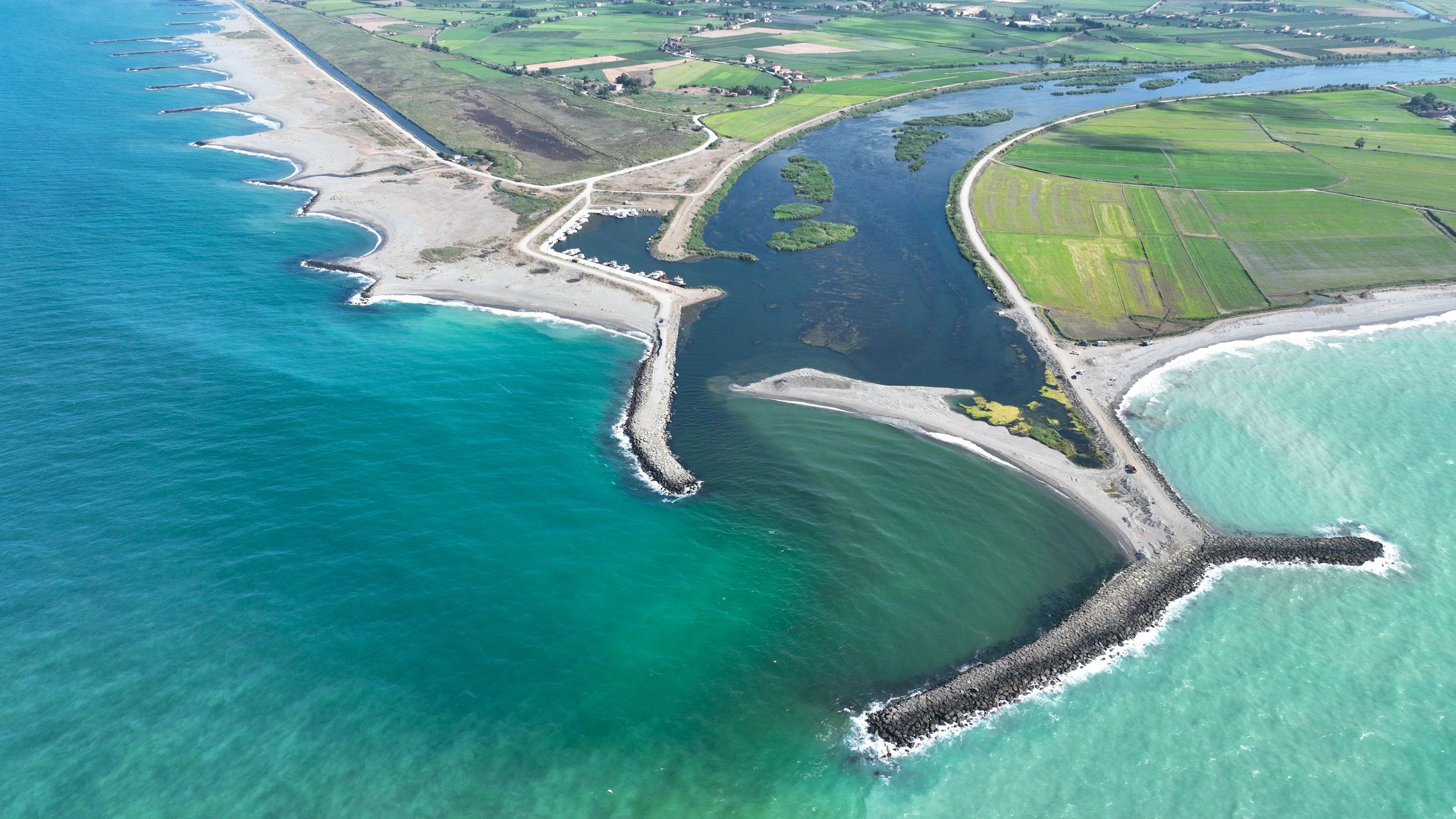
Discover the Secrets of Coastal Diversity
Coastal ecosystems are vibrant laboratories where land meets the sea, creating a dynamic blend of flora, fauna, and natural processes. In this introduction, we embark on a journey through the diverse and vital shoreline habitats that play a crucial role in maintaining environmental balance. Whether you are exploring the rugged tidepools along Florida’s coastline or the serene shores of local estuaries, this guide lays the groundwork for understanding coastal biodiversity and its far-reaching benefits.
In this section, you will learn about:
- The unique characteristics of coastal ecosystems
- How tidal movements and nutrient cycles support diverse life forms
- Practical tips for exploring and preserving these natural wonders
With engaging insights into habitat dynamics, species interactions, and conservation strategies, this content is designed to equip you with actionable knowledge and stimulate your curiosity about the natural world. By demystifying complex ecological concepts, this guide helps you appreciate the broader implications of coastal ecosystems and encourages you to explore local environments with a new perspective.
Discovering Nature’s Coastal Gems
Coastal ecosystems captivate with their fascinating diversity and complexity. Estuaries, where fresh and saltwater merge, offer nutrient-rich environments essential for many marine species. These transition zones act as natural nurseries that support fish populations and benefit local fisheries. In contrast, mangrove forests form dense, intertwined networks that stabilize shorelines, filter pollutants, and provide refuge for both aquatic and terrestrial life. Their unique ability to thrive in brackish water highlights their adaptive resilience.
Tide pools, another striking shoreline feature, reveal a microcosm of marine biodiversity. They shelter a myriad of organisms—from starfish and sea anemones to small crustaceans—and offer insight into intertidal dynamics during low tides. This section provides practical guidance on how to appreciate these ecosystems without disrupting their delicate balance.
Consider these key highlights when exploring coastal areas:
- Observe seasonal changes and tidal movements.
- Respect the habitats by minimizing footprints.
- Use local maps to discover hidden natural treasures in regions like Florida’s scenic coasts.
Engaging with these environments not only enriches knowledge but also fosters stewardship for our precious marine resources.
The Human Footprint on Coastal Biodiversity
Coastal ecosystems are increasingly vulnerable as human activities and climate change reshape shorelines around the globe. Urban development, industrial runoff, and coastal tourism contribute to a myriad of environmental stresses that can disrupt the delicate balance of shoreline habitats. Rising sea levels and increased water temperatures put additional pressure on species that rely on the unique interactions between land and water, often leading to habitat fragmentation and reduced biodiversity.
Local communities, especially in coastal areas like Rockledge, Florida, are observing shifts in shoreline dynamics that affect not only marine life but also the livelihoods dependent on these ecosystems. The interconnection between climate variability and anthropogenic influences calls for proactive conservation measures. Here are actionable steps to consider:
- Reduce pollutant discharge from both residential and industrial sources.
- Encourage sustainable coastal development practices.
- Support initiatives that restore native vegetation along shorelines.
- Promote community awareness and engagement in conservation efforts.
Through these efforts, understanding and protecting coastal biodiversity remains a shared responsibility, ensuring that future generations can continue to enjoy and benefit from these invaluable natural resources.
Step-by-Step Guide to Preserve Coastal Ecosystems
Begin your journey to protect our beautiful coastal environments with a series of practical steps designed for lasting impact. Follow these actionable instructions to contribute to shoreline conservation:
- Assess Local Impact:
- Take a walk along nearby Florida beaches or coastal areas to observe and note signs of erosion, pollution, or invasive species.
- Use this information to educate yourself on local challenges and solutions.
- Minimize Waste:
- Adopt a strict recycling routine and choose eco-friendly products to reduce ocean pollution.
- Participate in community clean-ups, focusing on collecting plastics and other debris.
- Support Sustainable Practices:
- Advocate for responsible coastal development by attending local council meetings and engaging in environmental planning sessions.
- Learn and promote sustainable fishing and boating practices that help maintain a balanced marine ecosystem.
- Engage and Educate:
- Share your experiences and tips with neighbors or online forums to build a community of informed conservation advocates.
- Consider volunteering with local coastal preservation groups to enhance your impact.
Implementing these steps can help protect the delicate balance of coastal biodiversity and ensure a healthier, thriving shoreline for future generations.
What defines coastal biodiversity?
Coastal biodiversity encompasses the variety of plant and animal life along shorelines, from tidal pools to dune environments. This ecosystem’s rich tapestry includes marine flora, invertebrates, and migratory birds adapted to the rhythmic push of tides.
How do tides and currents shape these ecosystems?
Tidal cycles and coastal currents significantly influence nutrient distribution, sediment movement, and habitat formation. Understanding these dynamics helps explain seasonal variations and species behavior along seashores.
What are some practical tips for safe coastal exploration?
When venturing into these environments, consider:
- Checking local tide charts
- Wearing appropriate gear
- Staying on marked trails This approach ensures both safety and minimal environmental impact.
Are there noticeable local initiatives supporting coastal health?
Communities in coastal regions, especially in areas like Florida, frequently spearhead conservation projects that educate the public and monitor shoreline changes, contributing to a healthier ecosystem.
How can I contribute to coastal conservation?
Support local clean-up events, respect protected areas, and share responsible exploration tips with fellow enthusiasts. These actions help sustain the delicate balance of coastal ecosystems while fostering community awareness.
Embracing Our Coastal Future
As we wrap up this exploration of shoreline ecosystems, it’s clear that the preservation of coastal biodiversity is not just an environmental imperative but a shared community mission. The guide has highlighted the delicate balance between marine habitats and their adjacent lands, underscoring how every element plays a vital role in maintaining healthy coastal regions. Key takeaways include the importance of environmental stewardship, the benefits of sustainable practices, and the impact of local conservation efforts in areas like Rockledge, Florida, where coastal beauty meets community resilience.
Actionable next steps include:
- Engage locally: Participate in community clean-up activities and join conservation groups.
- Educate: Learn about native species and the ecological benefits of coastal habitats.
- Advocate: Encourage sustainable practices in tourism and local development.
Empower yourself by turning awareness into action. Whether you are a concerned citizen or an environmental advocate, every small step contributes to a larger movement for change. Embrace the challenge of protecting our natural shoreline treasures and inspire others. Together, we can ensure a thriving, balanced ecosystem for future generations.
Originally published at the live site .