
Maritime ·
Exploring Coastal Ecosystems: A Dive into Biodiversity
Embracing Coastal Wonders
By Rebecca "Madam Chronicler" Ryan
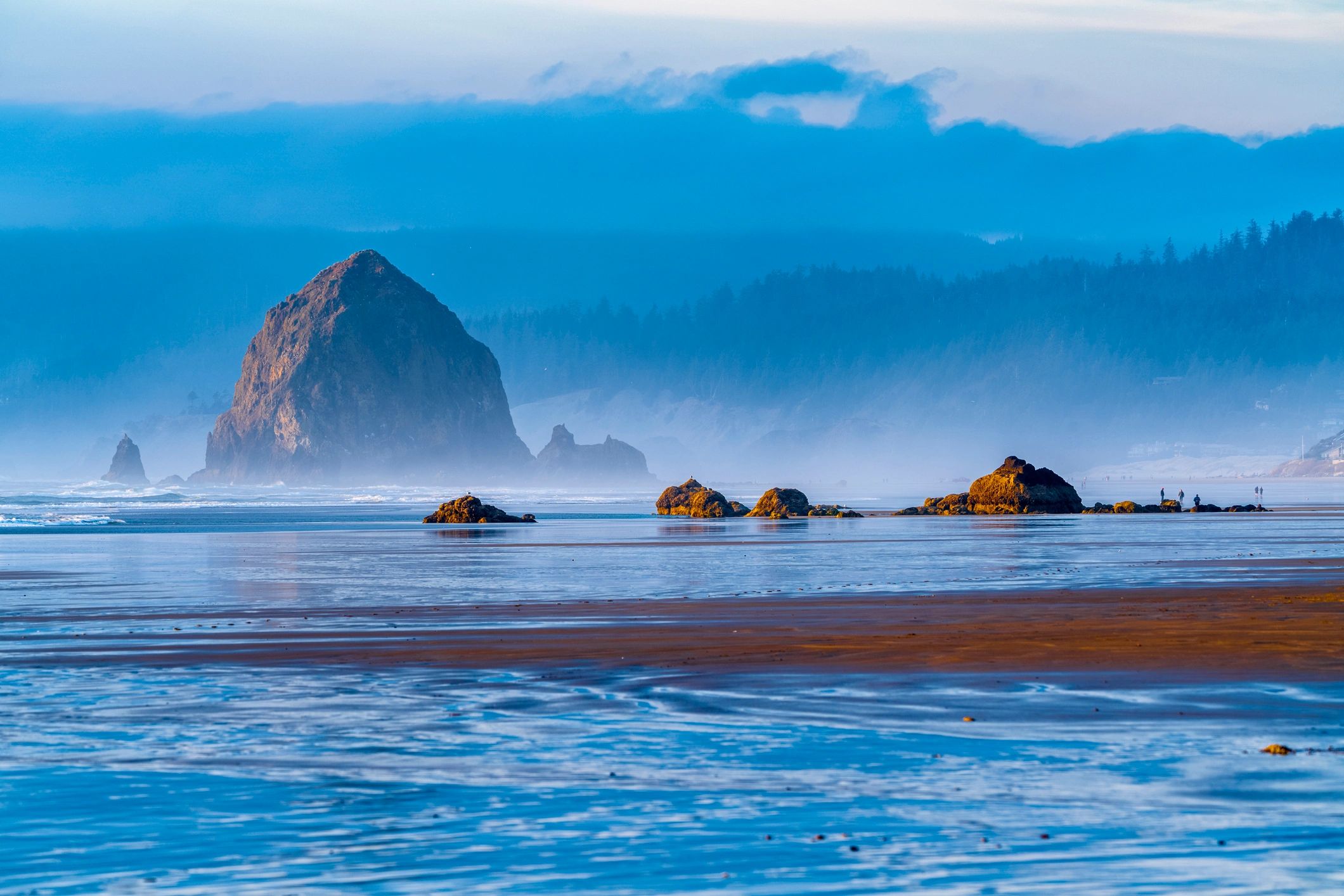
Embracing Coastal Wonders
Coastal ecosystems are nature’s vibrant lifelines, offering a dynamic blend of marine and terrestrial beauty. From the sweeping sandy beaches of Florida to rocky outcrops along rugged shorelines, these regions serve as critical habitats that support diverse species and intricate food webs. This introduction sets the stage for an in-depth exploration of how coastal environments foster rich biodiversity and provide practical benefits to local communities.
In today’s guide, you will discover:
- How coastal areas act as natural buffers, reducing the impact of storms and erosion.
- The role of habitat diversity in sustaining fish, birds, and plant life.
- Practical insights into preserving these unique zones and integrating local conservation efforts.
As you delve further, expect actionable tips and a clear, engaging breakdown of why protecting coastal ecosystems is essential. Whether you’re passionate about marine biology or seeking solutions for environmental challenges in your local area, this section offers a comprehensive overview that marries scientific insight with everyday relevance.
Discover the Wonders of Coastal Ecosystems
Dive into the fascinating world where land meets sea and uncover the vital role coastal ecosystems play in our environment. These dynamic landscapes include mangroves, salt marshes, and coral reefs—each offering unique benefits and challenges for local biodiversity and human communities.
Mangroves, with their dense root networks, act as natural barriers against storm surges while nurturing a rich variety of marine species. The intertwining roots provide essential nurseries for fish and crustaceans, contributing to vibrant coastal fisheries. Salt marshes, characterized by their grassy and herbaceous vegetation, serve as critical buffers against coastal erosion and flooding. They also help filter pollutants from runoff water, ensuring cleaner waterways.
Coral reefs stand out as underwater paradises teeming with life. These intricate structures support countless species by offering shelter and feeding grounds, bolstering regional marine economies. For those exploring local coastal destinations, understanding these ecosystems can inspire conservation efforts and sustainable practices. Consider the following action steps:
- Identify notable local coastal areas.
- Participate in or support community conservation initiatives.
- Explore educational resources to promote better understanding of these rich habitats.
Coastal Wonders in Nature
Coastal ecosystems are a treasure trove of diverse wildlife and vibrant plant species. Strolling along these dynamic regions, one discovers a mosaic where land and sea converge in remarkable harmony. These habitats support an array of organisms uniquely adapted to fluctuating tides, sandy soils, and salt-enriched waters.
Local flora such as salt-tolerant shrubs and dune grasses fortify the coastline against erosion, creating secure nesting grounds for native birds and reptiles. Visitors in areas like Florida and other coastal communities often notice:
- Resilient vegetation: Specially adapted plants that stabilize soils and provide shade.
- Distinct wildlife: Species including shorebirds, small mammals, and even crustaceans thrive in these specialized environments.
- Adaptation strategies: Creatures with behavior and structural adaptations to cope with high salinity and periodic inundation.
Understanding these natural processes not only highlights the ecological importance of coastal regions but also guides conservation efforts. For anyone aiming to preserve local biodiversity through practical measures, recognizing the interconnectivity between plant life and animal habitats is essential. This awareness empowers communities to implement sustainable practices, ensuring coastal ecosystems remain vibrant hubs for both nature and future inquiry.
Human Impact on Coastal Environments
Rapid urbanization, industrial runoff, and recreational pressures have significantly altered coastal ecosystems, reshaping the delicate balance of marine biodiversity. In many coastal regions like Rockledge, Florida, local communities face growing challenges as human activities disrupt natural habitats, causing accelerated erosion, water contamination, and loss of native species. This disruption not only affects wildlife behavior but also compromises the natural services these environments provide, such as coastal protection and nutrient cycling.
Understanding these impacts is crucial for conservation efforts. Practical approaches include:
- Implementing sustainable waste management practices to reduce water pollution.
- Enhancing local conservation programs that protect sensitive habitats.
- Promoting community engagement through educational initiatives focused on coastline stewardship.
- Adopting engineered solutions that harmonize coastal development with natural resource preservation.
By embracing these strategies, stakeholders can mitigate harmful effects while ensuring long-term ecosystem health and resilience. Recognizing the intertwined nature of human development and natural habitats is essential to forging a future where both coastal communities and the environment thrive.
Frequently Asked Questions about Coastal Ecosystems
What defines a coastal ecosystem?
Coastal ecosystems are dynamic zones where land meets sea, featuring habitats like estuaries, mangroves, and sandy beaches. Their unique environmental composition supports a diverse range of flora and fauna, which thrive in a continuously changing interface.
How can biodiversity be preserved effectively?
Preservation hinges on reducing pollutants, managing coastal construction wisely, and encouraging native vegetation restoration. Embracing sustainable practices and informed coastal management can ensure the long-term viability of these habitats.
What are the major environmental threats to coastal areas?
Key threats include habitat disruption from urban development, chemical contamination, erosion, and the impacts of climate change. These factors often lead to a decline in species diversity and ecosystem resilience.
How can local communities contribute to conservation?
Communities can organize clean-up drives, support educational initiatives, and participate in policy-making for sustainable practices. Active local engagement is essential for safeguarding these environments.
Why is the health of coastal ecosystems vital to local economies?
Healthy coasts boost tourism, sustain fisheries, and provide natural defenses against storm surges, reinforcing the economic stability and resilience of coastal communities.
Safeguarding Tomorrow’s Shores
As our journey through coastal ecosystems comes to a close, the imperative to protect these vibrant, interconnected areas grows ever more evident. Coastal regions are not only teeming with marine and terrestrial life but also serve as a buffer against climate-related challenges. Understanding their role in supporting biodiversity and sustaining local economies is key to appreciating why conservation is crucial for future generations.
Key takeaways include:
- Enhanced resilience: Preserving diverse habitats leads to healthier ecosystems that can withstand environmental fluctuations.
- Sustainable livelihoods: Robust coastal environments boost local industries, including tourism and fisheries, ensuring long-term community prosperity.
- Actionable strategies: Support restoration projects, adhere to sustainable practices, and educate your community on the importance of wildlife protection.
By incorporating practical steps such as habitat monitoring and environmentally conscious planning, you contribute to a global initiative toward safeguarding our natural heritage. Moving forward, consider engaging with local programs that prioritize ecological education and sustainable coastal management. Embrace the responsibility to leave a thriving, resilient natural legacy—you have the power to drive positive change for both the planet and future generations.
Originally published at the live site .