
Maritime ·
Florida Shark Species: Guide to Behavior, Habitat & Safety
Sharks in Florida’s Marine Ecosystem
By Rebecca "Madam Chronicler" Ryan
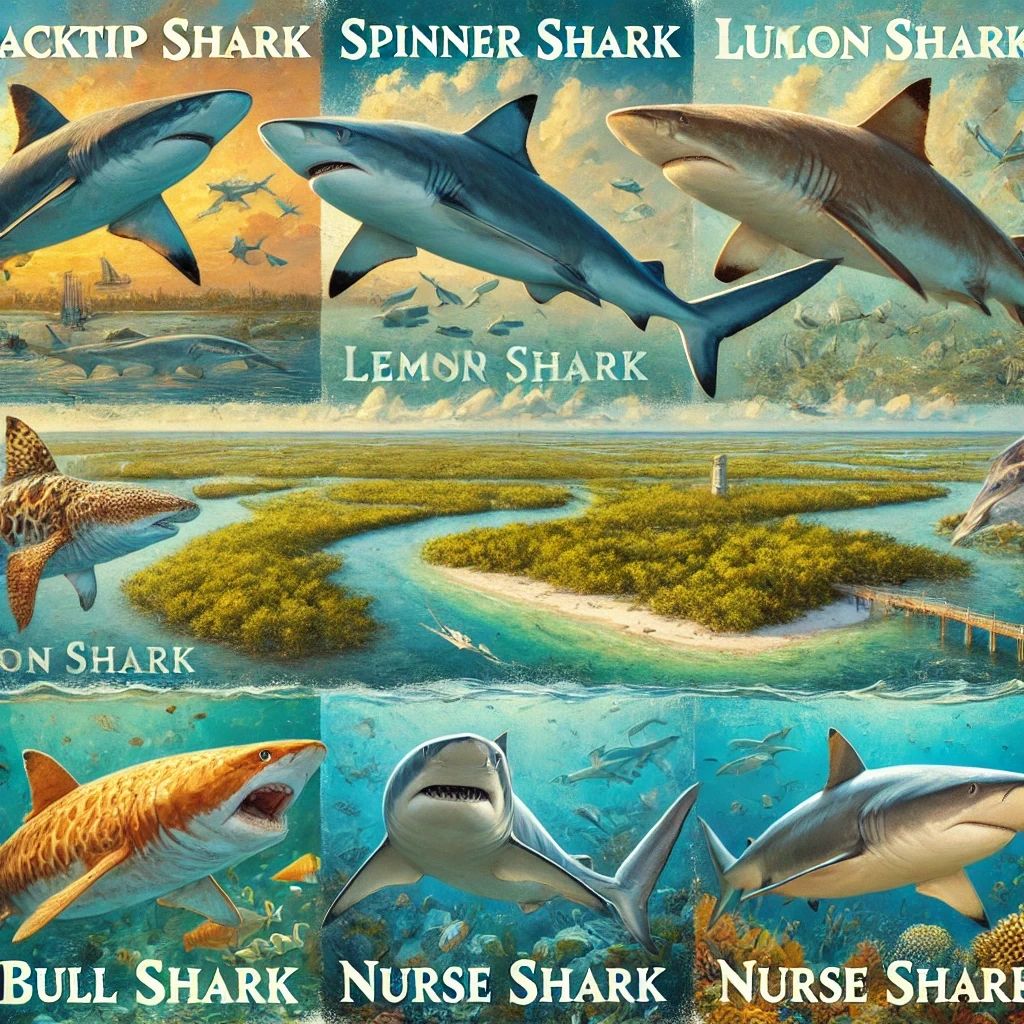
Sharks in Florida’s Marine Ecosystem
Florida’s coastlines are teeming with life—and sharks are at the top of the food chain. From the Gulf of Mexico to the Atlantic Ocean, the Sunshine State hosts some of the most biodiverse marine ecosystems in the United States. These warm, fish-rich waters attract both resident and migratory shark populations year-round.
Sharks are essential apex predators, playing a pivotal role in maintaining ecological balance. Understanding Florida shark species, their behavior, habitats, and the challenges they face helps promote conservation and ensures safe human interactions.
Common Shark Species Found in Florida Waters
Here’s a breakdown of the most frequently encountered sharks along Florida’s coastline—each with distinct characteristics and ecological roles.
1. Blacktip Shark (Carcharhinus limbatus)
- Size: 5 to 6 feet
- Habitat: Coastal waters, estuaries, nearshore reefs
- Diet: Small fish, crustaceans, squid
- Behavior: Known for jumping out of the water while feeding. Often migrates along Florida’s coastlines in winter and early spring.
⚠️ Responsible for most shark bites in Florida, though these are rarely serious and often due to mistaken identity.
2. Spinner Shark (Carcharhinus brevipinna)
- Size: 6 to 7 feet
- Habitat: Shallow, warm coastal waters
- Diet: Sardines, herrings, small fish
- Behavior: Performs multiple spins when leaping. Forms large seasonal schools in Florida waters.
🦈 Despite their energy, spinner sharks rarely pose a threat to humans.
3. Lemon Shark (Negaprion brevirostris)
- Size: 8 to 10 feet
- Habitat: Mangroves, coral reefs, estuaries
- Diet: Fish, rays, crustaceans
- Behavior: Often found in social groups. Known for their strong homing ability.
🟡 These yellowish sharks are non-aggressive unless provoked.
4. Bull Shark (Carcharhinus leucas)
- Size: 7 to 11 feet
- Habitat: Coastal waters, rivers, lakes
- Diet: Fish, marine mammals, birds
- Behavior: Highly aggressive. Can survive in freshwater—seen in Lake Okeechobee and the St. Johns River.
🚨 One of the most dangerous sharks due to their aggression and shallow-water presence.
5. Nurse Shark (Ginglymostoma cirratum)
- Size: 7 to 10 feet
- Habitat: Reefs, rocky bottoms, seagrass beds
- Diet: Crustaceans, mollusks, small fish
- Behavior: Nocturnal feeders. Rest during the day in sandy patches.
💤 Docile unless disturbed. Known for powerful suction-feeding.
6. Tiger Shark (Galeocerdo cuvier)
- Size: 10 to 14 feet
- Habitat: Coral reefs, estuaries, deep sea
- Diet: Sea turtles, birds, marine mammals, fish
- Behavior: Known for curiosity and indiscriminate feeding.
🐅 They are apex predators but only rarely attack humans.
7. Great Hammerhead Shark (Sphyrna mokarran)
- Size: 12 to 20 feet
- Habitat: Coral reefs, offshore and coastal zones
- Diet: Rays, fish, cephalopods
- Behavior: Uses its unique head shape for enhanced sensory tracking.
🔨 While intimidating, they’re usually shy around humans.
Seasonal Shark Migration Patterns in Florida
Sharks in Florida aren’t just residents—they’re migratory marvels. Many species, such as blacktip and spinner sharks, migrate southward to Florida’s coasts during colder months.
Key Migration Influencers:
- Water temperature
- Prey movement
- Breeding cycles
Tracking these patterns helps minimize shark-human encounters and aids researchers in conservation planning.
Conservation Challenges Facing Florida Sharks
Despite their power, sharks are vulnerable. Human activities remain the biggest threat to their survival.
Top Threats to Florida’s Sharks:
- Bycatch: Unintentional capture in commercial nets
- Shark finning: Illegal trade persists despite global pushback
- Habitat loss: Coastal development harms breeding grounds
- Climate change: Alters migration and breeding behavior
Conservation Actions in Florida:
- Fishing restrictions: Several species protected
- Marine Protected Areas (MPAs): Safeguard critical habitats
- Public education: Dispels myths and promotes coexistence
📘 Learn more from NOAA’s shark conservation page.
Staying Safe: Shark Encounter Tips for Florida Beachgoers
While shark bites are rare, precaution is always smart. Here are proven tips to reduce risks:
Do:
Swim in groups
Follow lifeguard advice
Avoid murky waters
Stay close to shore
Don’t:
Swim at dawn/dusk/night
Wear shiny jewelry
Splash excessively
Ignore shark warnings
If bitten, seek immediate medical attention and alert authorities.
Conclusion: Florida’s Sharks Deserve Our Respect
From the powerful bull shark to the graceful spinner, Florida shark species are more than ocean dwellers—they’re key ecosystem stewards. They maintain balance, support biodiversity, and even inspire awe.
By respecting their space, supporting conservation, and learning about their behavior, we help ensure their survival—and our own safe enjoyment of Florida’s beautiful coasts.
FAQs About Sharks in Florida
1. Are shark attacks common in Florida? No. Most encounters are non-fatal and result from mistaken identity in murky water.
2. What’s the most dangerous shark in Florida? The bull shark is often considered the most aggressive and dangerous.
3. When are sharks most active in Florida? At dawn and dusk, particularly during winter migrations.
4. Can sharks live in Florida’s freshwater? Yes. Bull sharks can survive in both saltwater and freshwater environments.
5. How can I avoid sharks at the beach? Swim in groups, avoid wearing jewelry, and follow posted advisories.
6. Are all sharks protected in Florida? Not all, but several species have legal protections and catch limits.
Sources:
Florida Fish and Wildlife Conservation Commission. (n.d.). Shark information and species profiles. Retrieved April 11, 2025, from https://myfwc.com/wildlifehabitats/profiles/fish/sharks/
Heithaus, M. R., Wirsing, A. J., & Dill, L. M. (2008). Broad-scale movements and trophic interactions of sharks with implications for management. Marine Ecology Progress Series, 381, 213–225. https://doi.org/10.3354/meps07952
National Oceanic and Atmospheric Administration. (2023). Shark conservation. NOAA Fisheries. https://www.fisheries.noaa.gov/topic/shark-conservation
Papastamatiou, Y. P., Meyer, C. G., Kosaki, R. K., Wallsgrove, N. J., & Popp, B. N. (2015). Movements and foraging of predators associated with mesophotic coral ecosystems. Marine Biology, 162(2), 429–440. https://doi.org/10.1007/s00227-014-2591-0
Simpfendorfer, C. A., & Heupel, M. R. (2004). Shark nursery areas: Concepts, definition, characterization and assumptions. Marine Ecology Progress Series, 282, 301–306. https://doi.org/10.3354/meps282301
University of Florida IFAS Extension. (n.d.). Sharks of Florida. Retrieved April 11, 2025, from https://edis.ifas.ufl.edu/publication/UW473
About the Author
Rebecca “Madam Chronicler” Ryan is a writer and researcher for The Chronicler Library. She is the co-creator of The Chronicle of Fear and The Waterline Chronicles, and a lead researcher and contributor for The Captain’s War Chronicles and The Captain’s Cellar. Her work blends myth, history, and the natural world with empathy, insight, and intellectual rigor.
Originally published at the live site .