
Maritime ·
What to Do If a Shark Is Charging at You: A Guide to Staying Safe
Swimming in the ocean can be a magical experience—crystal-clear waves, colorful fish, and the thrill of open water. But sometimes, that thrill turns into panic when someone spots a fin slicing through the water. If you’v...
By Rebecca "Madam Chronicler" Ryan
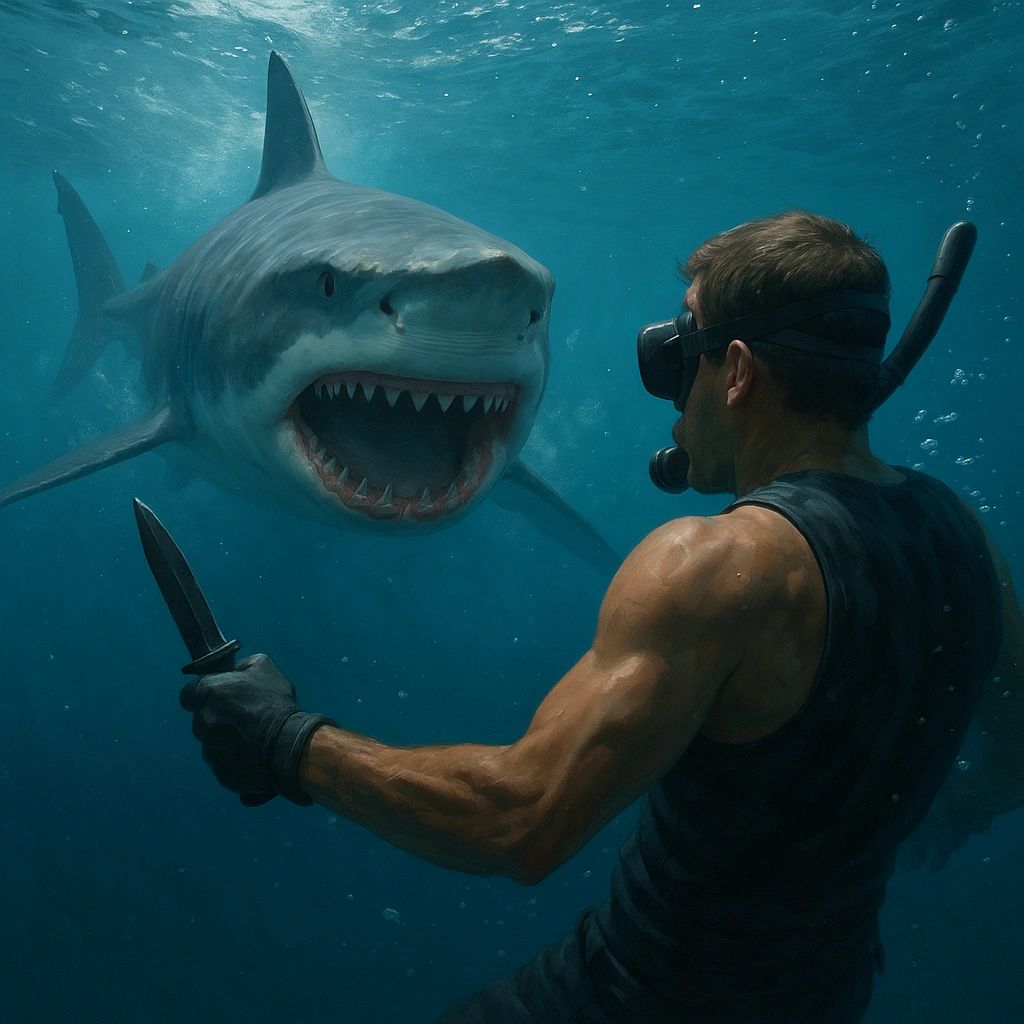
Swimming in the ocean can be a magical experience—crystal-clear waves, colorful fish, and the thrill of open water. But sometimes, that thrill turns into panic when someone spots a fin slicing through the water. If you’ve ever asked yourself, “What should I do if a shark charges at me?”—you’re not alone. This blog will walk you through exactly what to do if you ever face a shark up close. Spoiler alert: it’s not about swimming faster than your friends!
Sharks: Majestic, Misunderstood Predators
Before we dive into safety tips, let’s clear something up: sharks are not out to get you. In fact, most sharks don’t want anything to do with humans. Shark attacks are rare. According to the International Shark Attack File, there were only 69 unprovoked attacks worldwide in 2023, and only 10 of them were fatal (ISAF, 2024).
Still, when a shark does approach—or worse, charges—it’s a moment that demands quick thinking and calm actions. So let’s get into how to recognize the signs of a charging shark and what to do if it happens.
Step 1: Recognize the Signs of Aggression
Not all shark encounters are aggressive. Many sharks are curious. They might swim around you without doing anything harmful. However, there are key behaviors to watch for that indicate a shark might be preparing to strike:
- Arched back: A warning sign that a shark feels threatened.
- Pectoral fins pointed downward: This body language often means the shark is agitated.
- Rapid, jerky swimming: Indicates stress or excitement.
- Zigzag or erratic movements: Suggests hunting behavior or preparation for attack.
If you see any of these signs and the shark is getting closer, you need to get ready.
Step 2: Don’t Panic—Seriously
Yes, it’s easier said than done, but staying calm is the most important thing you can do. Sharks, like many animals, pick up on frantic movements and splashing. That can make you look like injured prey.
Here’s what to do:
- Keep your movements slow and smooth.
- Don’t splash.
- Stay vertical in the water—this makes you look less like a fish or seal.
- Make eye contact with the shark. Sharks are ambush predators, so they prefer to attack when you’re not looking. Keeping your eyes on them may discourage an attack.
Step 3: Maintain Eye Contact and Back Away Slowly
If a shark is approaching or charging, face it head-on. Back away slowly toward the shore or your boat while keeping the shark in sight. Never turn your back.
Why is this important?
- Predators like sharks often go for the element of surprise. If they know you see them, they’re less likely to strike.
- Moving slowly shows you’re not a threat, but also not prey.
If you’re diving or snorkeling and there’s a reef or rock nearby, slowly position yourself so your back is against it. That way, the shark can’t sneak up behind you.
Step 4: Defend If Necessary
Let’s say the worst happens—the shark charges and makes contact. You are allowed to fight back, and you should.
Where to Hit a Shark
Sharks have sensitive areas, just like us. If a shark gets too close or tries to bite:
- Aim for the eyes: Sharks hate being poked or jabbed in the eyes.
- Go for the gills: These are sensitive and hitting them can cause the shark to retreat.
- Strike the snout: This area is loaded with sensory organs. A strong jab or punch can startle a shark.
Use whatever you have: a camera, spear, snorkel, or even your fists. Be forceful. Sharks respect resistance and often let go if their prey fights back.
Note: Try to avoid getting bitten while striking. Defend only when absolutely necessary and when the shark is within reach.
Step 5: Get Out of the Water (But Still, No Splashing)
Once the shark backs off or leaves the area, get out of the water as calmly as possible. Splashing around can re-trigger a shark’s interest. If you’re close to a boat or jet ski, wave or call for help without flailing.
If you’re far from shore:
- Swim with slow, strong strokes.
- Stay vertical.
- Keep scanning the water behind you.
- If you’re with others, stay together—groups look less vulnerable to sharks.
Step 6: Help the Injured (If There Are Any)
If someone has been bitten, stop the bleeding immediately. Most shark bites are not fatal if treated quickly. Here’s what to do:
- Apply pressure to the wound.
- Elevate the injured area if possible.
- Use tourniquets only as a last resort.
- Call for emergency help or signal a lifeguard.
- Get the person to shore or a boat as quickly and safely as possible.
Time matters. Fast action saves lives.
Why Sharks Charge in the First Place
Sharks rarely charge without reason. Here are some common triggers:
- Mistaken identity: A surfer on a board looks like a seal from below.
- Territorial defense: Some sharks are protecting their space.
- Curiosity: Young or less experienced sharks may “test bite” to understand what you are.
- Spearfishing or blood in the water: This can attract sharks from a distance.
Knowing these triggers can help you avoid situations where a charge is more likely.
Preventing a Shark Encounter in the First Place
The best shark encounter is the one that never happens. Follow these tips to stay safe:
Do:
- Swim in groups—sharks are less likely to approach crowds.
- Swim during daylight hours—most sharks hunt at dawn or dusk.
- Stay close to shore.
- Follow local warnings and posted signs.
- Stay calm and alert.
Don’t:
- Swim near fishing boats.
- Enter the water if bleeding.
- Wear shiny jewelry—sharks mistake this for fish scales.
- Splash excessively.
- Ignore lifeguard instructions.
Special Note: Shark Species and Behavior
Different shark species act differently. Here are a few of the most commonly reported in attacks and how they behave:
- Great White Shark: Known for “test biting.” They often circle and bump before biting.
- Bull Shark: Aggressive and comfortable in both salt and freshwater. Often found near river mouths and estuaries.
- Tiger Shark: Known to eat almost anything. More likely to stick around during an encounter.
Each species reacts differently, but the safety advice above works for all of them.
Real-Life Survival Stories
Sometimes, the best lessons come from those who’ve lived through a shark charge.
Bethany Hamilton (2003)
While surfing in Hawaii, Bethany lost her arm to a tiger shark. Her calm reaction and quick help from bystanders saved her life. She later returned to professional surfing and is an advocate for shark education and ocean safety (Hamilton, 2004).
Mick Fanning (2015)
This pro surfer fought off a great white shark on live TV during a competition in South Africa. He kicked and punched the shark until it swam off. His story shows how staying calm and defending yourself can work (Fanning, 2015).
These aren’t everyday stories—but they show that knowledge, courage, and fast thinking can save lives.
Final Thoughts: Stay Smart, Stay Safe
Sharks are incredible animals, not mindless killers. But the ocean is their home, and it’s smart to know what to do if a shark ever charges at you.
To sum it up:
- Know the signs of aggression.
- Stay calm and don’t splash.
- Keep eye contact and back away slowly.
- Defend yourself if needed.
- Exit the water safely.
- Help the injured.
The odds of a shark attack are tiny, but being prepared is everything. Next time you head into the ocean, you’ll know exactly what to do—just in case.
Stay safe and keep swimming smart!
References
- Hamilton, B. (2004). Soul Surfer: A True Story of Faith, Family, and Fighting to Get Back on the Board. MTV Books.
- International Shark Attack File. (2024). 2023 Shark Attack Summary. Florida Museum of Natural History. https://www.floridamuseum.ufl.edu/shark-attacks/yearly-worldwide-summary/
- Fanning, M. (2015). Interview on shark encounter during J-Bay Open. World Surf League. https://www.worldsurfleague.com/posts/134938/mick-fanning-shark-attack-interview
Originally published at the live site .