
Maritime ·
Why Are Dolphins Important to Florida?
Dolphins are one of Florida’s most beloved marine animals. With their playful jumps, friendly faces, and smart behavior, it’s no wonder people flock to Florida’s coast just for a chance to see them. But did you know dolp...
By Rebecca "Madam Chronicler" Ryan
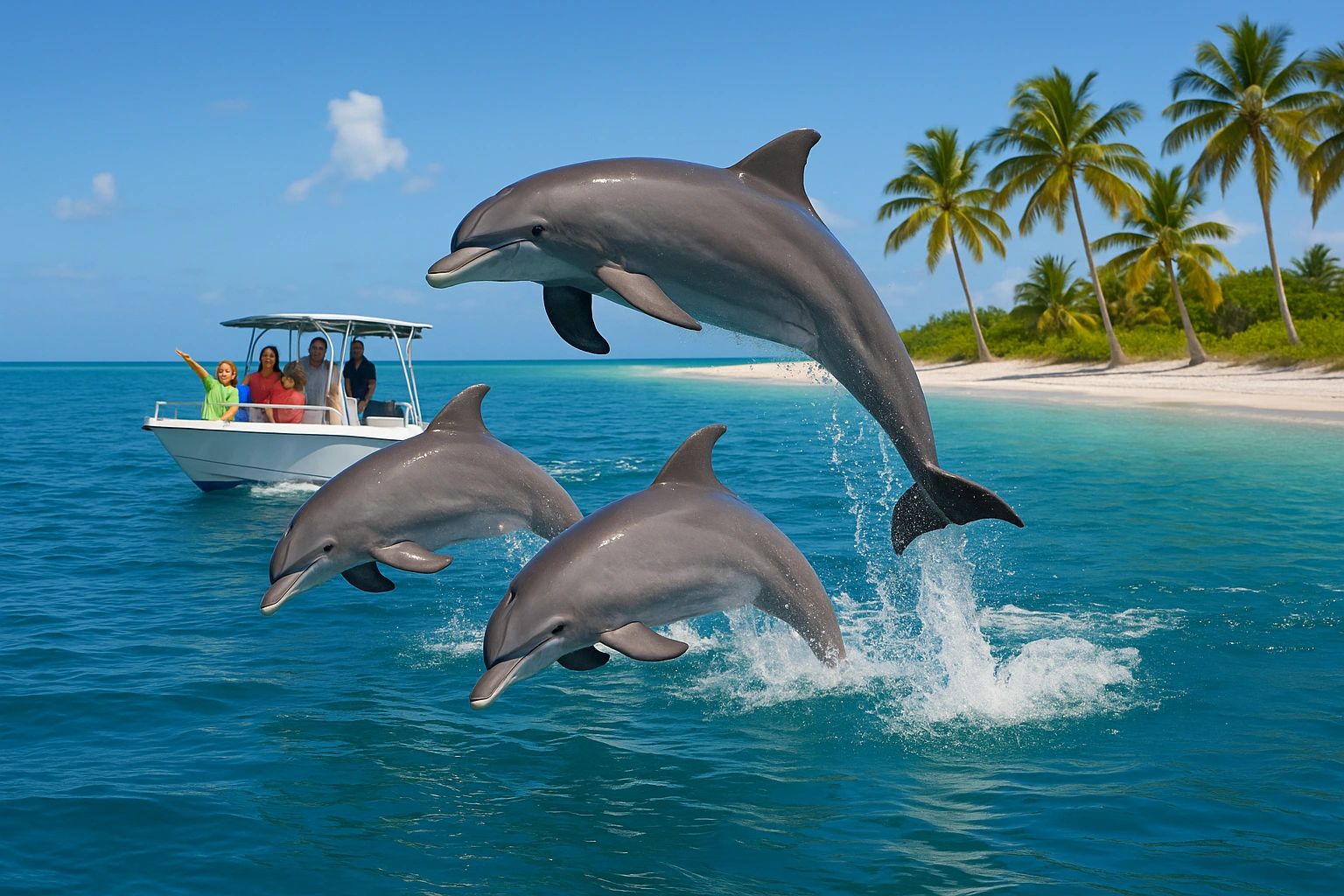
Dolphins are one of Florida’s most beloved marine animals. With their playful jumps, friendly faces, and smart behavior, it’s no wonder people flock to Florida’s coast just for a chance to see them. But did you know dolphins are more than just cute ocean animals? They actually play a very important role in Florida’s environment, economy, and culture. Let’s dive into the world of dolphins and explore why these amazing creatures are so important to the Sunshine State.
1. Dolphins Help Keep the Ocean Healthy
Florida’s coastal waters are full of life, and dolphins play a big part in keeping that underwater world in balance.
A. Top Ocean Predators
Dolphins are top predators. That means they are at the top of the food chain. Bottlenose dolphins—the ones most commonly seen around Florida—eat fish, squid, and crustaceans like shrimp. By hunting these animals, dolphins help keep the populations of fish and other sea creatures balanced. This prevents any one species from taking over and causing harm to the marine ecosystem.
B. Ecosystem Indicators
Scientists call dolphins “ecosystem indicators.” This means if dolphins are doing well, it’s usually a sign the ocean is healthy. If dolphin populations start to shrink, it can be a warning that something is wrong, like pollution or overfishing. Monitoring dolphins helps scientists catch problems early and protect marine environments.
2. Dolphins Support Florida’s Tourism Industry
Florida is one of the top vacation spots in the U.S., and dolphins play a big part in bringing in tourists.
A. Dolphin Watching Tours
Each year, thousands of people book dolphin-watching tours all along Florida’s coast—from the Florida Keys to the Panhandle. These tours are a big business, providing jobs for boat captains, tour guides, and local businesses. Visitors are excited to see dolphins in the wild, and that helps Florida’s economy grow.
B. Dolphin Attractions
Places like the Clearwater Marine Aquarium and the Dolphin Research Center in the Florida Keys attract tourists who want to learn more about these animals. These attractions also help fund conservation efforts and educate the public about marine life.
3. Dolphins Bring Joy and Cultural Value
Dolphins are more than just animals—they’re a part of Florida’s identity and culture.
A. Symbols of Florida
Dolphins are often used as symbols on Florida license plates, city logos, and even sports teams. The Miami Dolphins NFL team is named after them! This shows how important dolphins are to Florida’s image and pride.
B. Emotional Connections
Dolphins are known for their intelligence and playful behavior. They often approach boats, ride waves, and leap through the air. Many people feel a deep emotional connection to dolphins and describe encounters with them as magical or life-changing. This bond inspires people to care more about the ocean and protect marine animals.
4. Dolphins Teach Us About the Ocean
Dolphins are incredibly smart, and scientists learn a lot by studying them.
A. Dolphin Intelligence
Dolphins can recognize themselves in mirrors, solve puzzles, and communicate using a variety of clicks and whistles. Some even use tools, like covering their snouts with sponges to protect themselves while hunting on the ocean floor. Studying dolphin brains and behavior helps scientists understand more about intelligence in animals and even humans.
B. Communication and Social Bonds
Dolphins live in groups called pods, and they work together to hunt and protect each other. Each dolphin has a unique whistle—like a name! Learning how dolphins communicate helps researchers learn more about social behavior and cooperation in the wild.
5. Dolphins Help With Scientific Research
Dolphins also help us learn about environmental threats and human impacts on the ocean.
A. Pollution and Health Studies
Scientists often study the health of dolphins to understand how pollution affects marine life. For example, dolphins can get sick from harmful chemicals in the water, like mercury and PCBs (polychlorinated biphenyls). By testing dolphin tissues, researchers can track pollution levels and learn how to make the ocean safer for all creatures.
B. Climate Change Indicators
Dolphins are also affected by changes in ocean temperature and sea level rise. Watching where dolphins go and how their behavior changes over time gives scientists clues about how climate change is impacting Florida’s coast.
6. Dolphins Face Threats—and Need Our Help
Dolphins are important, but they are also in danger from human activities. That’s why protecting them is a big deal in Florida.
A. Boat Strikes
Florida has a lot of boat traffic, and sometimes dolphins are hit by fast-moving vessels. These collisions can cause serious injuries or even death. Boaters are encouraged to slow down in dolphin zones and always keep a lookout.
B. Entanglement and Pollution
Dolphins can get tangled in fishing lines, nets, and other trash floating in the water. This can lead to cuts, infections, and even drowning. Keeping the oceans clean and practicing responsible fishing helps protect dolphins and many other marine animals.
C. Noise Pollution
Dolphins use sound to communicate and find food. But underwater noise from boats and construction can mess with their communication and stress them out. Protecting quiet areas for dolphins helps them live safer, healthier lives.
7. Florida Protects Its Dolphins
Luckily, Florida has many programs to keep dolphins safe and healthy.
A. Protected by Law
All dolphins are protected under the Marine Mammal Protection Act. This means it’s illegal to harm, feed, or harass wild dolphins. Feeding dolphins may seem fun, but it actually teaches them to approach boats and people, which can be dangerous.
B. Rescue and Rehab Programs
Organizations like the Clearwater Marine Aquarium and the Dolphin Research Center rescue injured or sick dolphins. They provide medical care and, if possible, release them back into the wild. These programs help individual animals and also teach people about the importance of marine life conservation.
C. Public Education
Florida also invests in educating people about dolphins. Schools, aquariums, and wildlife groups work together to teach kids and adults how to protect the ocean and respect wild animals. The more people learn, the more likely they are to help dolphins thrive.
8. Dolphins and the Future of Florida
Dolphins are not just a part of Florida’s present—they’re a part of its future, too.
A. Inspiring the Next Generation
Many kids grow up dreaming of becoming marine biologists because they love dolphins. These future scientists and conservationists are inspired by the magic of seeing dolphins in the wild. Florida’s dolphins are helping raise the next generation of ocean protectors.
B. Climate Resilience
As Florida faces challenges like sea level rise, storms, and warming waters, protecting dolphins and their habitats becomes even more important. Healthy dolphin populations are a sign that the coastal ecosystem is strong—and that’s good for everyone, from sea turtles to people living near the beach.
Final Thoughts
Dolphins are important to Florida in so many ways. They keep the ocean in balance, help the economy through tourism, inspire people with their beauty and intelligence, and serve as important clues for scientists studying the environment. They are part of the state’s culture and identity, and they bring joy to everyone who sees them.
But with all the joy dolphins bring, they also need our help. Protecting dolphins means protecting the ocean—and that benefits all of us. Whether it’s slowing down your boat, picking up trash, or learning more about marine life, every small action counts.
So the next time you’re at the beach and you see a dolphin leap out of the waves, remember: they’re not just cool animals. They’re vital to Florida’s heart, health, and happiness.
Bibliography
- Dolphin Research Center. (2023). Dolphin facts. Retrieved from https://www.dolphins.org/dolphin_facts
- Clearwater Marine Aquarium. (2023). Rescue, rehab, release. Retrieved from https://www.cmaquarium.org
- National Oceanic and Atmospheric Administration (NOAA). (2023). Bottlenose Dolphin (Tursiops truncatus). Retrieved from https://www.fisheries.noaa.gov/species/bottlenose-dolphin
- National Marine Mammal Foundation. (2022). Why marine mammals matter. Retrieved from https://www.nmmf.org
- Florida Fish and Wildlife Conservation Commission (FWC). (2023). Protecting dolphins and other marine mammals. Retrieved from https://myfwc.com/research/wildlife/mammals/marine
- Wells, R. S., & Scott, M. D. (2009). Common bottlenose dolphin: Tursiops truncatus. In W. F. Perrin, B. Würsig, & J. G. M. Thewissen (Eds.), Encyclopedia of Marine Mammals (pp. 249-255). Academic Press.
- Shane, S. H. (2004). Social organization and behavior of bottlenose dolphins. In J. Mann et al. (Eds.), Cetacean Societies: Field Studies of Dolphins and Whales (pp. 96–105). University of Chicago Press.
Originally published at the live site .